Becoming was created after listening to students who felt that traditional education focuses mainly on academic content but leaves important life skills underdeveloped. Through conversations and student-led research, including an individual survey with more than 30 students from different regions of Brazil and some international responses, we identified common concerns about future careers, communication skills, global awareness, and personal development.
As a student myself, I wanted to build a space where young people could explore these topics together. Becoming was designed as a student-led learning community where students are not only participants but also organizers, mentors, and creators of learning experiences.
The goal is to create a supportive environment where students can develop critical thinking, leadership, and collaboration skills while learning from each other across different backgrounds and cultures.
Becoming operates as a collaborative learning community organized through thematic clubs and structured learning cycles.
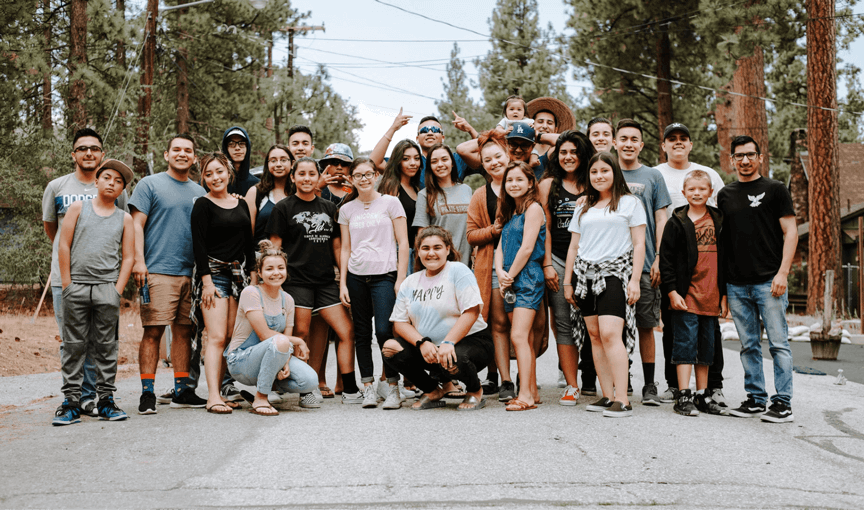
The community currently connects more than 115 students between the ages of 13 and 27 from different regions, with some international participation. Students join clubs focused on leadership, global affairs, STEM, humanities, entrepreneurship, languages, mental health, sign language, and arts and expression.
Learning activities happen in cycles: one week focuses on structured learning materials, discussions, and workshops, while the following week is dedicated to open collaboration, where students can organize study sessions, practice languages, or discuss global news together.
More than five student leaders have already been trained to guide club activities and support discussions. Some clubs also include practical sessions, such as theatre, communication practice, and creative expression workshops.
This structure allows students to actively participate in their learning process rather than only consuming content.
The community is growing organically through student networks, peer invitations, and social media.
In less than two weeks, Becoming reached over 115 students, with participants coming from different regions and some international members. A significant portion of the community joined through student recommendations, showing the role of peer-to-peer growth in expanding the initiative.
The project is designed to be replicable so that student leaders can create similar clubs in schools or local communities. As more participants become active members, they are encouraged to lead discussions, host sessions, and contribute to the development of new learning spaces.
The long-term vision is to expand the model into multiple student-led learning communities connected through collaboration and shared learning experiences.
Becoming has evolved based on direct observation of student engagement and feedback.
Initially, most activities were based on written materials and discussion posts. However, after noticing that students interacted more actively with dynamic formats, the community began incorporating more live discussions, practical workshops, and collaborative sessions.
Today the project focuses more strongly on student participation and leadership. Student mentors help guide activities, and participants are encouraged to organize their own study sessions, discussions, and collaborative events.
This continuous adaptation helps ensure that the community remains engaging and relevant for its members.
Students who want to experience Becoming can access the community through the project's Instagram page. The link in the bio connects directly to the WhatsApp learning community where the clubs and activities take place.
Inside the community, students can join thematic clubs, participate in discussions, attend workshops, or organize collaborative study sessions with other members.
Currently, the community includes students from different regions and backgrounds, creating an environment where participants can exchange ideas, explore global topics, and develop new skills together.
Educators or student leaders interested in the model can also replicate the structure by creating similar student-led learning groups in their schools or communities.