Trash 2 Treasure was created in response to Qatar’s rising household waste, growing use of disposable products, and the need for practical, community-based sustainability education. While national strategies promote circularity and climate action, we observed a gap between policy and everyday behaviour, especially among children, youth, and families who often lack hands-on opportunities to understand how small daily actions can reduce waste.
Many children learn about sustainability in theory, but not always through lived experiences connected to their homes, habits, and Qatar’s lifestyle and consumption patterns.
T2T was born from the belief that creative, joyful, low-cost activities using household waste can spark meaningful behaviour change.
The idea began with simple sessions where everyday items such as jars, paper bags, cardboard, fabric scraps, and food scraps became tools for learning, creativity, and action. We also integrated locally relevant resources such as palm leaves, native plants and flowers, along with initiatives like the Green Ramadan Kitchen Challenge, Corner for book and toy swapping, and Green Majlis for community participation and knowledge sharing.
We created T2T to make sustainability learning free, accessible, inclusive, and culturally relevant. T2T aims to position Qatar as a community-driven model for low-waste living, where children, youth, families, and changemakers turn everyday waste into learning, action, and environmental responsibility.
In practice, each T2T workshop transforms everyday waste and locally available materials into practical learning resources, using items such as delivery containers, cardboard, fabric scraps, shopping bags, citrus peels, glass jars, palm leaves, native plants, and flowers.
T2T workshops are designed as active sustainability labs where participants rotate through creative and practical stations such as the Pitch the Trash, Waste-Sorting Arena, Zero-Waste Kitchen Lab, Paper Reborn Studio, Upcycled Crafts Corner, Nature Art Studio, Eco-innovation, Natural fragrance making, and Green Majlis.
Participants make compost, natural citrus cleaners, recycled paper, upcycled crafts, scrap paper & fabric bookmarks, seed pots, zero-waste gifts, and nature-based art while practising waste sorting, reuse, mindful consumption, and reflection.
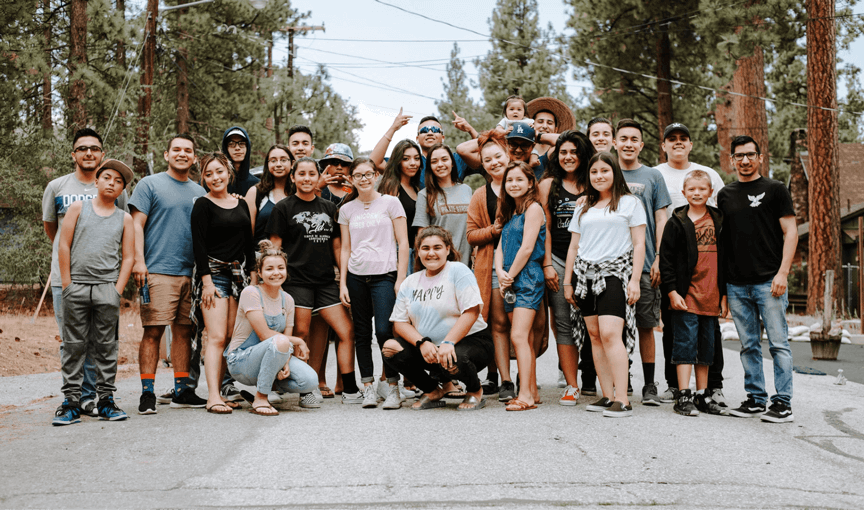
The workshops are hosted in community spaces such as Green Island, Education City, and other public learning spaces, turning them into living sustainability labs. Children and families learn by doing, youth and women facilitators lead sessions, volunteers support activities, and participants celebrate their learning through eco-pledges, green awards, e-certificates, sharing circles, and follow-up WhatsApp groups.
Beyond the workshops, T2T continues through families applying eco-habits at home, children sharing ideas in schools, youth and volunteers leading community sustainability activities, and exchanging ideas through social media.
Trash 2 Treasure has been spreading organically across Qatar through families, schools, youth groups, eco-clubs, volunteers, and community networks.
What began as small informal sessions has grown into larger community workshops and school participation, attracting students, parents, educators, and sustainability advocates from diverse communities.
Schools such as Qatar Technical School for Girls and Rajagiri Public School, along with students and teachers from other schools, have actively participated through school leaders, teachers, students, and eco-clubs.
Participants take practical ideas such as recycled paper making, upcycled crafts, natural cleaners, composting, nature art, and zero-waste habits back to their classrooms and school communities.
Youth and eco-clubs carry the T2T approach by volunteering, supporting stations, showcasing T2T-inspired ideas, and encouraging peers to adopt low-waste practices.
Social media, WhatsApp groups, blogs, and community communication further amplify the impact as participants share home actions, exchange tips, and inspire others.
T2T also has strong potential to scale beyond Qatar because waste reduction, reuse, and transformation are global priorities.
The model is low-cost, adaptable, and community-led, making it relevant for many countries.
We are planning to begin implementing T2T in urban communities in Rajasthan, India, extending the ripple effect from Qatar to wider communities.
Trash 2 Treasure has grown from a hands-on upcycling and zero-waste workshop model into a wider community-led sustainability platform. Initially, the focus was on engaging children, parents, and families in practical activities using household waste materials.
Over time, we have added stronger layers of youth leadership, women-led facilitation, family action, community contribution, and peer-to-peer learning.
A major development has been the shift from founder-led sessions to community-powered facilitation.
T2T now encourages women changemakers, high school students, university students, educators, sustainability advocates, and volunteers from different communities in Qatar to design, plan, lead, and facilitate sessions aligned with the T2T vision. This allows community members to use their skills, lived experiences, and cultural knowledge to benefit others.
We have also added more circular and thoughtful recognition practices. To motivate youth, women facilitators, volunteers, and children, we create handmade sustainable gifts and provide meaningful tokens made from reused materials.
Additionally, children’s artwork from public school exhibitions, which was no longer being used, was collected from the MOE’s Art Department and re-used as sustainable gifts in T2T workshops. This helped close the loop by giving existing artwork a new purpose instead of letting it remain unused or go to the landfills.
T2T extends learning beyond workshops through gamified eco-actions.
1. Identify the local issue: Observe common waste challenges such as plastic, paper, food, textile, or household waste, and connect them to daily habits people can change.
2. Choose simple solutions: Select practical activities such as composting, natural cleaners, recycled paper, upcycled crafts, nature art, zero-waste gifts, etc.
3. Map contributors: Involve schools, eco-clubs, youth, women changemakers, educators, volunteers, community spaces, and partners who can offer materials, skills, space, or outreach.
4. Co-create the session: Work with facilitators and volunteers to shape the theme, activities, roles, timing, and resources based on their skills and experience.
5. Build partnerships: Align the session with Earth Day, World Environment Day, Qatar Sustainability Week, Ramadan, or school/community events.
6. Design a low-waste plan: Set goals, age group, flow, safety needs, reflection points, and materials. Use available waste such as jars, cardboard, fabric scraps, paper bags, palm leaves, and food scraps.
7. Create hands-on stations: Plan stations such as Zero-Waste Kitchen Lab, Paper Reborn Studio, Waste-Sorting Arena, Nature Art Studio, Eco-Innovation Challenge, or Upcycled Crafts Corner.
8. Deliver and engage: Invite families, schools, youth groups, and communities to create, reflect, pledge, share, and take actions home.
9. Recognise, reflect, and improve: Collect feedback and recognise participants, volunteers, and facilitators with e-certificates.