.jpeg)
Growing up between Chandigarh and Delhi, I saw deep social disparity firsthand, children my age with no access to learning materials, play, or the basics most take for granted. When I moved to Dubai, that contrast became sharper: I noticed enormous wastage of usable goods, including toys, and felt a quiet urgency to do something, even though I didn't yet know what or how.
The idea finally clicked one ordinary day when I watched my younger sister play. As I observed how absorbed she was, I started researching the role of toys in early development, and discovered just how powerful they are for cognitive, emotional, and motor growth in children aged 3–7. That overlooked window became my mission.
I began collecting unused toys, then built lessons around them by combining online education resources, child development research, and direct guidance from my own classroom teachers about how to engage younger learners. Slowly, Toys for All grew from a personal idea into a structured movement.
When I shared the work with mentors, one raised a concern I hadn't considered: sanitation. With donated toys passing between many hands and reaching vulnerable communities, hygiene was a real risk. I researched it, confirmed the gap, and committed to addressing it directly. This summer, I'll be training rural caregivers to make affordable home-sanitizers and safely clean toys, so the joy we deliver never comes at the cost of a child's health.
In practice, Toys for All runs as a four-step cycle: collect, sanitize, teach, and sustain.
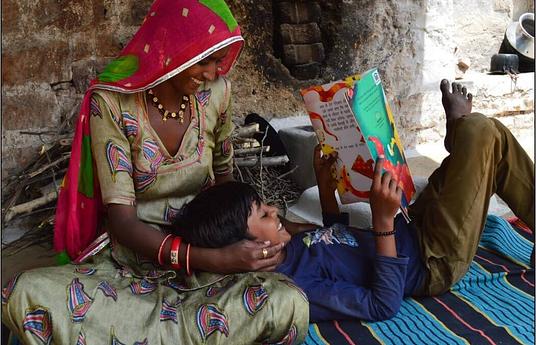
We begin by collecting gently-used, second-hand toys from communities across Bangalore, Minnesota, Ghana, Sharjah, and Dubai. Every toy is cleaned, inspected, and matched to a learning purpose. Volunteers and ambassadors then design age-appropriate lessons around them, using building blocks for spatial reasoning, dolls for emotional vocabulary, puzzles for problem-solving, and so on. Sessions are conversational and play-based, meeting children aged 3–7 where they are developmentally.
Through these sessions, children build fine motor skills, language, confidence, and emotional awareness while finally experiencing play, joy, and a sense of normalcy many have never had structured access to. Because we use only second-hand toys, the model also reduces waste and turns surplus into purpose.
The newest layer of our work tackles a quieter risk: contamination. Donated toys passing between communities can carry health hazards, especially in underprivileged settings without easy access to cleaning supplies. I'm launching sanitization seminars for parents and caregivers in rural areas, teaching them how to make sanitizers at home using limited, low-cost ingredients, how to clean and store toys safely, and how to integrate hygiene into daily play. This ensures every child we reach learns and grows in a healthy environment.
Toys for All has spread organically rather than through any formal marketing strategy, and that's been part of its strength. Most of our growth comes from genuine word-of-mouth: a volunteer tells a friend, a parent shares with their network, or someone hears about a session and reaches out wanting to help. Social media has played a meaningful role too, with posts about drives, lessons, and impact stories drawing in new ambassadors from across continents.
Networking at school events, community gatherings, and youth forums has also been a major engine of growth. When people see a young person leading something tangible and purposeful, they often feel inspired to contribute, whether by donating toys, joining a drive, or helping start a new chapter in another city.
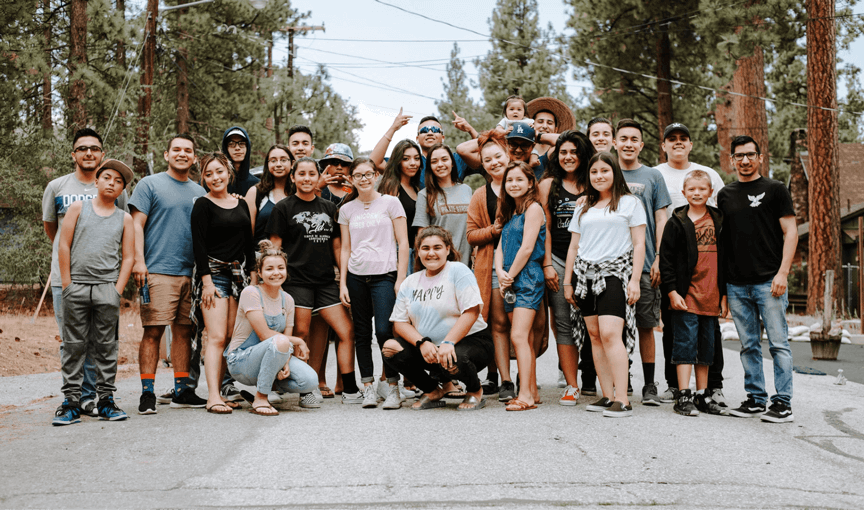
This is how the initiative quietly grew from one person in Dubai to over 65 volunteers and ambassadors across Bangalore, Minnesota, Ghana, Sharjah, and Dubai. Each new chapter has begun with a single curious conversation, which I think speaks to how deeply the mission resonates: people want to help children, eliminate waste, and feel part of something meaningful; they just need an accessible entry point. Toys for All offers exactly that.
The most significant recent addition has been the sanitization arm of the initiative. After a mentor flagged that toys passing through many hands could pose a real health risk, especially for children in rural or underprivileged settings, I went back and researched the issue more deeply. The findings were clear: hygiene was a quiet but serious gap in our model.
So I expanded Toys for All to include caregiver education on sanitation. This summer, I'll be running seminars that teach parents in underserved communities how to create their own sanitizers at home using affordable, locally accessible ingredients, how to safely clean and store donated toys, and how to integrate hygiene into everyday play.
This shift is more than an add-on; it transforms Toys for All from a one-way donation model into a self-sustaining ecosystem where communities can independently maintain the safety, longevity, and educational value of every toy they receive. It ensures the work we do doesn't just deliver joy and learning, but does so responsibly and sustainably.
Every Toys for All chapter currently mirrors the Dubai original, which I refined through trial and error into a model that adapts across different countries and cultural contexts:
1.Start with a 4-month, month-by-month goal plan; this work compounds, and structure matters from day one.
2.Research local schools or community centers you could partner with, and brainstorm realistic ways to collect toys in your area.
3.Hold your first toy drive in whatever format suits your community best. If it succeeds, make it a routine every 3 months to keep the stock full. If not, pivot to fundraising and purchasing toys instead.
4.Once toys are collected, clean and furnish them carefully.
5.Reach out to your shortlisted schools. Meet the faculty and students, and choose the partner most willing to host you and whose students would benefit most.
6.Build a teaching schedule with the school, when you'll come, what you'll teach, and how often, and finalize it with faculty.
7.Decide whether to teach solo or recruit others. If recruiting, train them; I personally onboard new ambassadors using what I've learned from a year of teaching young children.
8.Bring on a social media lead, since most of our growth comes through online visibility.
9.Run your first session, take detailed notes, apply improvements next time, and keep iterating.
10.In parallel, hold periodic sanitization seminars with parents and check in often with simple questions to ensure hygiene practices are being followed.