As a Pediatric Clinical Dietitian, I recognized that traditional nutrition education often relies on verbal instructions and printed materials, which may not effectively engage young children or match their developmental needs.
Early childhood is a critical period for establishing lifelong eating habits. However, children learn more effectively when educational experiences are enjoyable, interactive, and relevant to their daily lives.
I created NutriPlay to bridge the gap between clinical nutrition and early childhood education by transforming complex nutritional concepts into simple, meaningful learning experiences through puppet theatre, storytelling, and educational games.
Recognizing the potential of technology to extend learning beyond the clinic, I further developed these activities using artificial intelligence to create interactive digital educational games.
My vision is to empower children to become active participants in their own health, encourage curiosity and independent decision-making, and support families in establishing healthy eating habits from an early age.
Ultimately, NutriPlay aims to make nutrition education more accessible, engaging, and adaptable across healthcare, educational, and community settings.
NutriPlay transforms the pediatric nutrition clinic into an interactive learning environment where children learn about healthy eating through play, exploration, and storytelling.
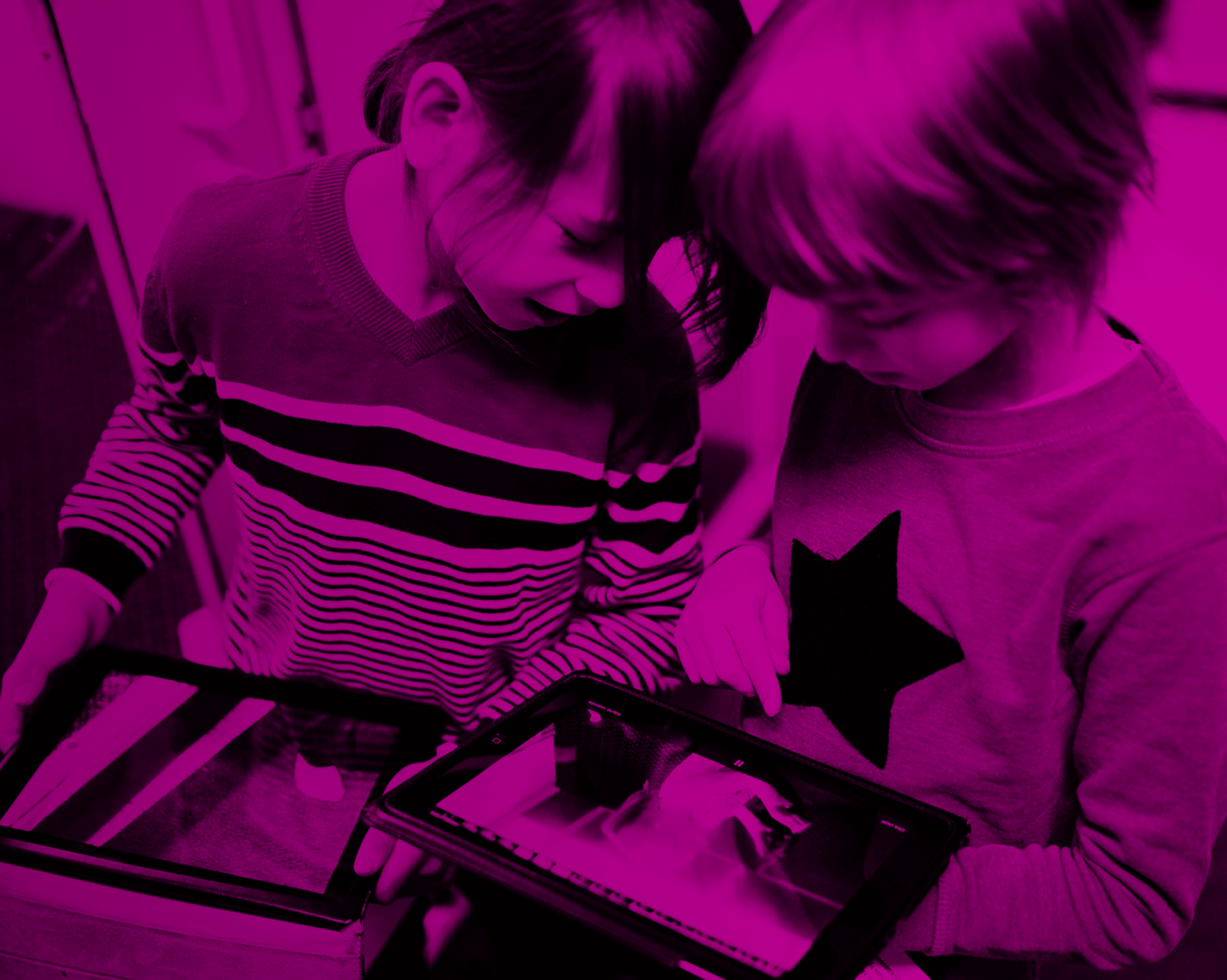
During clinical visits, puppet theatre introduces nutritional concepts through engaging characters and relatable stories. Children participate in interactive educational games, identify different food groups, explore healthy food choices, and practice building balanced meals.
The educational activities encourage active participation, communication, curiosity, and decision-making while making nutrition counseling more enjoyable and age-appropriate.
The concept has evolved through artificial intelligence into interactive electronic educational games, including the Healthy Lunchbox Game, where children explore food options and create balanced lunchboxes through digital play.
This blended learning approach connects physical and digital educational experiences, allowing learning to continue beyond the clinic and creating opportunities for parental involvement at home.
Originally implemented at Al Qassimi Women’s and Children’s Hospital, Emirates Health Services, UAE, the innovation is designed to be adaptable across pediatric clinics, nurseries, schools, and community education programs.
NutriPlay originated in the pediatric nutrition clinic at Al Qassimi Women’s and Children’s Hospital, Emirates Health Services, UAE, where interactive educational games, puppet theatre, and storytelling were introduced as part of children’s nutrition education.
The innovative clinical experience gained institutional visibility through documentation by the Emirates Health Services media team.
The subsequent development of AI-assisted electronic educational games has enabled the concept to extend beyond the physical clinic, making digital nutrition education accessible online to children, parents, educators, and healthcare professionals.
The innovation is designed for easy adaptation across pediatric clinics, nurseries, schools, and community health initiatives. Future expansion will focus on multidisciplinary collaboration, educational partnerships, and wider dissemination of digital learning resources to support early childhood nutrition education locally and internationally.
NutriPlay has evolved from physical, play-based educational activities into a blended learning model combining creativity, clinical nutrition, and digital technology.
Initially, the innovation focused on puppet theatre, storytelling, and hands-on educational games to simplify nutritional concepts for young children.
To enhance accessibility and engagement, I subsequently integrated artificial intelligence into the development of interactive electronic educational games. These activities allow children to explore food groups, identify healthy food choices, and build balanced meals through digital play.
The digital format creates opportunities for repeated learning outside the clinical environment, supporting parental involvement and independent exploration.
Future developments will focus on expanding the collection of educational games, introducing multilingual content, adapting activities to different developmental stages, and incorporating tools to evaluate children’s learning progress.
Healthcare professionals, educators, and parents can explore NutriPlay by introducing simple, age-appropriate nutrition education activities through puppets, storytelling, food cards, and interactive games.
The approach can be adapted to pediatric clinics, classrooms, nurseries, and home learning environments using readily available educational materials.
Users can also experience the digital component through the Healthy Lunchbox Game, an interactive educational game developed using artificial intelligence.
Access the game here:
https://food-heroes-roaa.roaamalas92.chatgpt.site/
Children can explore different food groups and practice creating balanced meals with guidance from parents, educators, or healthcare professionals.
The approach encourages active participation, discussion, curiosity, and positive food-related decision-making, making nutrition education an enjoyable part of early childhood learning.