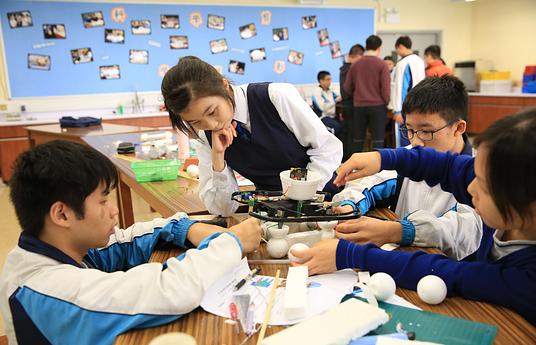
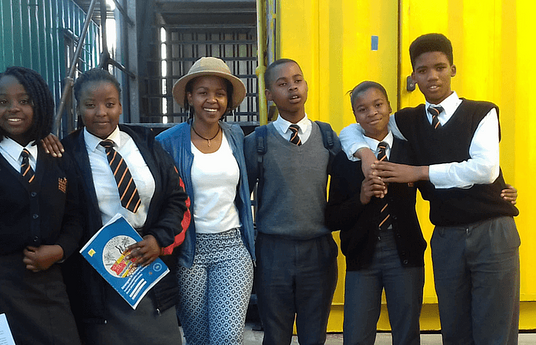
We created the Student Education Model through Vertical Gardening and Wellness Centres to transform how young people learn by connecting classroom education with real-life problem solving. Traditional learning in many rural schools is often theoretical and exam-focused, leaving students disengaged and without practical life skills. At the same time, communities face challenges of food insecurity, poor nutrition, climate change, and limited farming space. We saw an opportunity to turn schools into living laboratories where students learn by doing.
This innovation integrates agriculture, environmental science, health, and entrepreneurship into a hands-on learning model. Through vertical micro-gardening and vermicomposting, students learn how to grow food in small spaces using organic methods. They apply science concepts such as soil biology, recycling of organic waste, climate adaptation, and nutrition in practical ways. Students not only grow vegetables but also cook and eat them, reinforcing lessons on healthy lifestyles.
The model improves engagement, critical thinking, teamwork, and responsibility. Students develop problem-solving skills and resilience while seeing the direct results of their efforts. Health improvements—such as reduced sugar intake and better nutrition—have contributed to improved concentration and school performance.
By transforming school farms into Wellness Centres, we created an innovative, experiential education system that prepares students .
At participating schools, we establish Vertical Gardening Boxes and micro-gardens built from locally available materials such as wooden frames, recycled containers, and sacks. These are installed in small open spaces, along fences, or near classrooms—demonstrating that food can be grown even where land is limited. Alongside this, we set up vermicomposting units, where students recycle organic waste into nutrient-rich manure.
Learning is integrated into the school timetable. During agriculture, science, and environmental studies lessons, students:
Design and construct vertical gardens
Prepare organic soil using compost and worm manure
Plant drought-tolerant vegetables
Monitor plant growth and soil health
Harvest, cook, and eat vegetables
Track nutrition and healthy lifestyle habits
Teachers guide discussions linking practical activities to subjects like biology (soil organisms), climate change adaptation, nutrition, and entrepreneurship. Students also keep simple records of yields and learn basic business concepts such as pricing and savings.
The school farm becomes a Wellness Centre—a space where students learn resilience, teamwork, responsibility, and sustainable living. Produce supports school meals or is shared with vulnerable families. Community members are invited for demonstrations, encouraging replication at home.
In practice, the innovation is not just a garden—it is an interactive education model that builds life skills, improves health, strengthens climate
Our innovation has been spreading through a combination of school-to-school learning, community demonstration, and youth leadership.
Initially piloted in one school, the Vertical Gardening and Wellness Centre model quickly attracted interest from neighboring schools after teachers, parents, and local leaders witnessed improved student engagement, better nutrition, and visible garden results. Students became ambassadors of the model, sharing their knowledge at home and helping their families establish small vertical gardens using recycled materials.
We intentionally promote a “train-the-trainer” approach. Lead students and teachers are trained as peer educators who mentor other schools. We organize community open days, demonstration visits, and exchange learning sessions where school representatives observe the model in practice. This has encouraged replication in additional schools and households within Matungu Sub-County.
The innovation has also spread through:
Community workshops led by Matungu Community Development Charity
Partnerships with local farmer groups and women’s groups
Social media sharing and local awareness forums
Integration into other projects such as climate-smart agriculture and tree planting
During COVID-19, when food access became more difficult, households adopted vertical micro-gardening after seeing its effectiveness at schools. This accelerated community uptake.
Today, the model continues to expand organically because it is low-cost, practical.
No
If you would like to try our Vertical Gardening & Student Wellness Innovation, here are simple practical steps you can follow:
1. Start Small and Simple
Identify a small space at your school or home (even a wall, fence, or corner). Vertical gardening works well where land is limited.
2. Gather Local Materials
Use locally available and low-cost materials such as:
Wooden boxes or crates
Old sacks or buckets
Recycled plastic containers
Soil mixed with compost or organic manure
Kitchen waste for vermicomposting
3. Prepare Organic Growing Media
Mix soil with compost or vermicompost. If possible, start a small vermicomposting unit using kitchen waste and earthworms to produce organic fertilizer.
4. Choose Fast-Growing Vegetables
Start with nutritious, easy crops such as:
Sukuma wiki (kale)
Spinach
Amaranth
Onions
Tomatoes
5. Integrate Learning (If in a School)
Turn it into a learning activity:
Teach students about climate change, nutrition, and sustainability
Let students measure plant growth (science lessons)
Use harvested vegetables in school meals
6. Train and Share
Train a small group of students or community members who can train others (peer-to-peer model). Organize demonstration days so others can learn from you.
7. Monitor Impact
Track:
Number of gardens established
Quantity of vegetables harvested
Changes in nutrition or student engagement