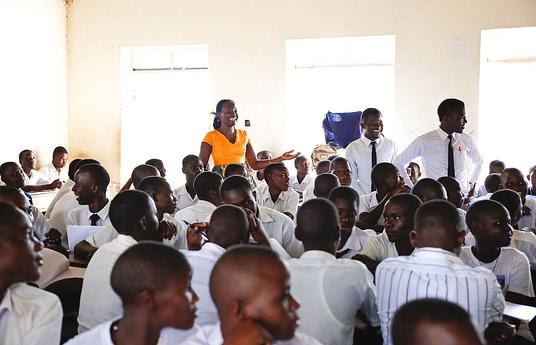
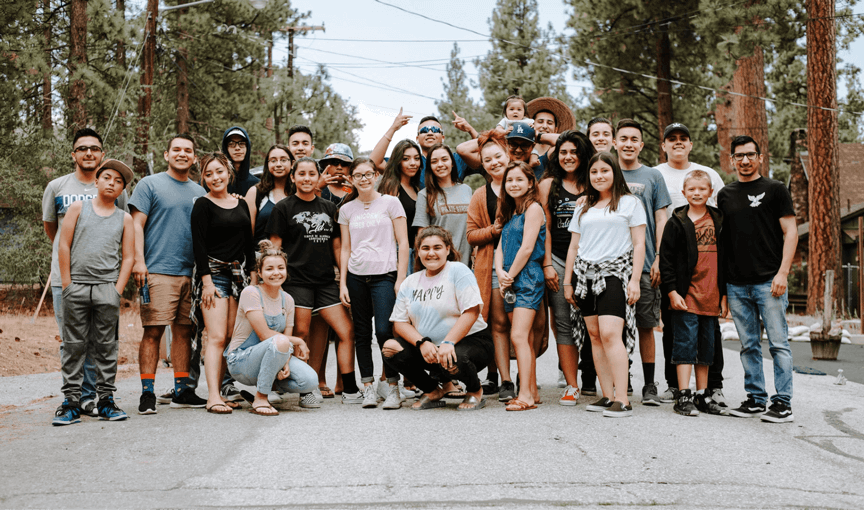
We developed this initiative in response to the alarming trends of poor educational outcomes and high dropout rates among learners, largely attributed to unsafe and unfriendly school environments marked by bullying and violence. The lack of connectivity to appropriate support systems exacerbates these challenges. Our goal is to create a nurturing educational landscape where all learners can thrive.
Our model focuses on enhancing four core competencies:
(a) Connect: Establishing links to educational and support systems. This also helps them to stay connected to educators and mentors and peers.
(b) Relate: Building meaningful relationships within these systems.
(c) Learn: Gaining knowledge for academic and life success.
(d) Act: Encouraging goal-oriented performance.
In practice, participating children demonstrate significant improvements in academic performance, classroom engagement, and social behavior. Boys show increased respect and support for girls, while girls gain confidence and actively participate in class, leading to better academic outcomes. Our approach includes a comprehensive handbook and utilizes technology to enrich the learning experience.
To date, our program has positively impacted approximately 1,500 children, enhancing their literacy skills and environmental awareness. Beneficiaries have initiated reading clubs in other schools, further spreading literacy and academic success. We have trained 250 teachers and partnered with various organizations to scale our efforts, aiming to reach 10,000 children in the next two years.
In response to feedback and assessments, we have made several key modifications to enhance our innovation's effectiveness and reach:
(a) Expanded Curriculum: We now include critical thinking, emotional intelligence, and digital literacy alongside traditional literacy skills, providing learners with a well-rounded skill set essential for success.
(b) Technology Integration: We plan to incorporate advanced technology tools, such as interactive online resources and mobile applications, making education more accessible and engaging, especially for remote learners.
(c) Community Engagement: We have strengthened partnerships with parents and community members through workshops, promoting a supportive environment that encourages family participation in education.
(d) Mentorship Programs: We introduced initiatives that pair older students or community leaders with younger learners, enhancing educational outcomes and fostering a sense of community.
(e) Monitoring and Evaluation Framework: A robust system has been implemented to track progress and outcomes, allowing for data-driven decisions and continuous refinement of our approach.
(f) Partnership Expansion: New collaborations with local NGOs, educational institutions, and government bodies enhance resource sharing and support, broadening our audience.
(g) Feedback Mechanism: We established a system for participants to share experiences and suggestions, empowering them to contribute to the program's evolution.
Institutions or individuals interested in adopting our solution can take the following steps:
1. Contact Us: Reach out to our Education Program Coordinator to discuss your context and plans: [Contact Us](https://reach-all.org/contact-us/).
2. Training: Participate in a two-day online capacity-building training to understand our model better. Meet our trainer: [Priscilla Mwambo](https://reach-all.org/priscilla-mwambo/).