SeaVuria created STEM Extravaganza to move STEM beyond memorization and give students time to apply science learning to real problems in their communities. Through a multi-month project-based learning cycle, students identify local impacts of global challenges such as deforestation, food insecurity, water access, and climate change.
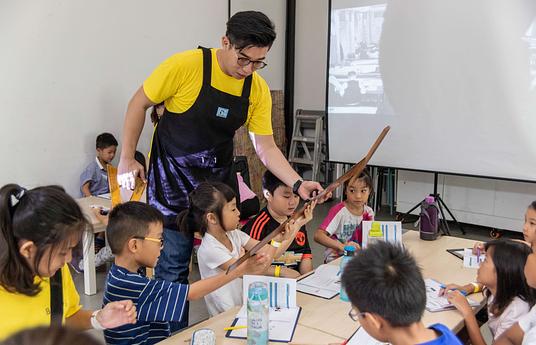
Working in teams, they conduct community interviews, research solutions, design and test prototypes, and revise their ideas over time. Teachers facilitate inquiry and design thinking, helping students connect science concepts to evidence, problem-solving, and action.
Open Labs provide devices, internet, tools, and mentorship so students can research, collaborate, and build solutions. Partnerships with Taita Taveta University and local professionals expose students to STEM careers and strengthen the authenticity of their work.
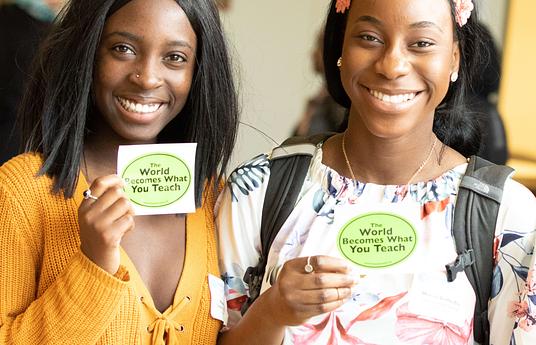
The program also creates a public stage for student voice. When students present to peers, teachers, university mentors, and community leaders, they see that their ideas are taken seriously. STEM Extravaganza was created so students, especially young women, experience STEM as a tool for thinking critically, solving problems, and leading change in their communities.
In practice, STEM Extravaganza looks like students discovering that their ideas matter. A theme begins in the classroom, then grows into months of inquiry, teamwork, and problem-solving. Student teams choose a local challenge they care about, interview community members, study science concepts, research solutions, and begin building something of their own.
Open Labs become spaces of possibility. Students use internet, devices, materials, and mentorship to test ideas, revise designs, and keep improving. Community members preview projects, ask questions, and encourage students as their thinking develops.
The final showcase is a celebration of student voice. Students stand before peers, families, teachers, university mentors, and local leaders to explain the problem, defend their evidence, and share their solution. Many arrive nervous. They leave seeing themselves as researchers, designers, speakers, and leaders.
At its best, STEM Extravaganza is a moment when students realize STEM is not distant from their lives. It is a tool they can use to protect their land, strengthen their communities, and shape their future.
STEM Extravaganza is spreading through student excitement, teacher ownership, and community visibility. Across 10 schools, more than 1,400 students have participated in multi-month STEM projects focused on real local challenges, from fuel-efficient briquettes and water purification to automated irrigation and biodegradable plastics.
Each year, the work reaches well over 1,000 students as teams share projects through classrooms, school showcases, community previews, and regional competitions. Projects have advanced to the Kenya Science and Engineering Fair, showing that ideas from rural schools can earn serious recognition.
In 2024, 98% of students said the experience helped them solve a real community problem, and 100% valued peer collaboration and advisor guidance. Our next phase is growth in depth: stronger teacher facilitation, broader community partnerships, more Open Lab support, and deeper integration of project-based problem-solving into everyday STEM learning.
After COVID, SeaVuria relaunched STEM Extravaganza with a stronger focus on climate resilience, project-based learning, and community connection. We refined the model so students have more time to identify local problems, conduct interviews, research solutions, build prototypes, and revise their work.
We have also improved the support structures around the innovation. Student handbooks, project rubrics, and judging forms have been strengthened to make expectations clearer and feedback more useful. Teachers now have better tools to guide inquiry, design thinking, teamwork, and evidence-based presentations.
We expanded mentorship through Taita Taveta University, guest teachers, and local professionals, giving students access to deeper STEM expertise and authentic feedback. Open Labs have also become more important, providing students with devices, internet, materials, and time for prototyping beyond regular class hours.
The innovation has grown from a competition into a fuller learning ecosystem. Students are not just presenting ideas; they are developing solutions with the potential for real implementation. Young women now lead many of the projects, increasing their visibility as STEM thinkers, innovators, and community leaders.
To try STEM Extravaganza, begin with one shared theme that matters locally, such as food security, water access, waste, deforestation, or climate resilience. Give students time to explore the issue through classroom learning, community interviews, research, and team discussion.
Create a simple project cycle: identify a problem, investigate causes, study possible solutions, design or test an idea, revise, and prepare a presentation. Build in teacher coaching, peer feedback, and opportunities for students to practice explaining their thinking.
Provide access to tools where possible, including internet, devices, local materials, mentors, or Open Lab time. Invite community members, university partners, professionals, and teachers to give feedback before the final showcase.
SeaVuria can share planning timelines, student handbooks, rubrics, judging forms, project examples, and videos. Start small, but make the work public. When students present solutions to real people, STEM becomes purposeful, visible, and alive.