We created the Science Movement to address the growing need for young people to not only gain scientific knowledge but also develop a sense of social responsibility and the skills necessary to solve real-world problems. With global challenges like climate change, poverty, and inequality, it is crucial to engage the next generation in both technical and ethical thinking. Science Movement aims to empower youth to innovate, lead, and make an impact, ensuring that they are equipped to address these challenges in a sustainable and impactful way.
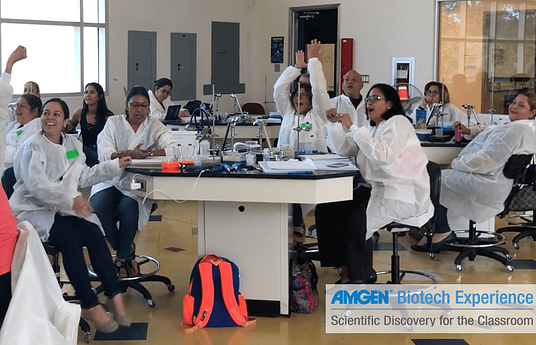
In practice, Science Movement combines hands-on science education with mentorship and real-world applications. We create opportunities for students to learn about sustainability, entrepreneurship, and critical thinking through workshops, online platforms, and community projects. Participants are encouraged to work on real-world problems, developing skills such as 3D modeling, coding, and social impact strategies. They are paired with mentors who guide them through their learning journey, ensuring they understand both the technical aspects of their work and the broader societal implications. As part of the MEB protocol, we send science kits to schools and provide online training to teachers, supporting their professional and personal development. We also offer training on the use of these kits, ensuring that teachers can integrate them into their curriculum. Through a digital platform, we enable teachers to deliver curriculum-aligned content to their students. Additionally, we organize science competitions that encourage students to generate technology-based solutions for real-life problems. For active teachers and students, we plan more detailed development training and organize camps to enhance their skills and engagement.
The Science Movement has been spreading primarily through partnerships with schools, local organizations, and global platforms. We've been working with schools to integrate our programs into their curricula, providing teachers and students with the resources to implement sustainable development goals in their classrooms. Additionally, we’ve utilized digital platforms to reach a global audience, offering online workshops, webinars, and mentorship sessions. The program’s growth has been fueled by a passionate community of young leaders and mentors who advocate for the movement and bring others along with them.
To date, we have reached 1,412,966 children across 3,165 schools, with 2,742 teachers actively engaged in implementing our programs. This impact is further supported by our collaboration with the Ministry of National Education (MEB) through a formal protocol, which strengthens our commitment to advancing education for sustainable development. Our partnerships and these numbers reflect the significant progress we’ve made in creating a more connected and informed community, and we remain focused on expanding our reach and deepening the impact of our initiatives.
As of this year, we have transitioned our teacher training to in-person sessions. We are visiting cities to provide training to teachers on the use of science kits and artificial intelligence. Additionally, with the launch of our Provincial Representation Program in 6 cities, we are selecting representatives from among our active teachers to engage less active teachers and reach more students with science. Under the Provincial Representation Program, field leaders working professionally at YGA establish a mentorship relationship with the provincial representatives in their respective cities.
According to the impact analysis conducted by the independent research company FutureBright, the Science Movement Project significantly boosts teachers’ motivation, enhances their teaching practices, and empowers their use of innovative tools like AI. For students, the program ignites a passion for science, strengthens their eagerness to learn, and plays a vital emotional support role—especially in the aftermath of the earthquake. These results demonstrate the program's transformative and holistic impact on both educational and emotional levels.
To get involved in the Science Movement, students can apply to YGA's High School or University Programs and join the Science Movement fields. Teachers can apply for the Role Model Teachers Program and express their motivation for sending science sets to their schools. Teachers and students who are part of the program can take on responsibilities within the project. Additionally, by donating to the Science Movement, you can support students' access to science and contribute to their development in scientific fields.