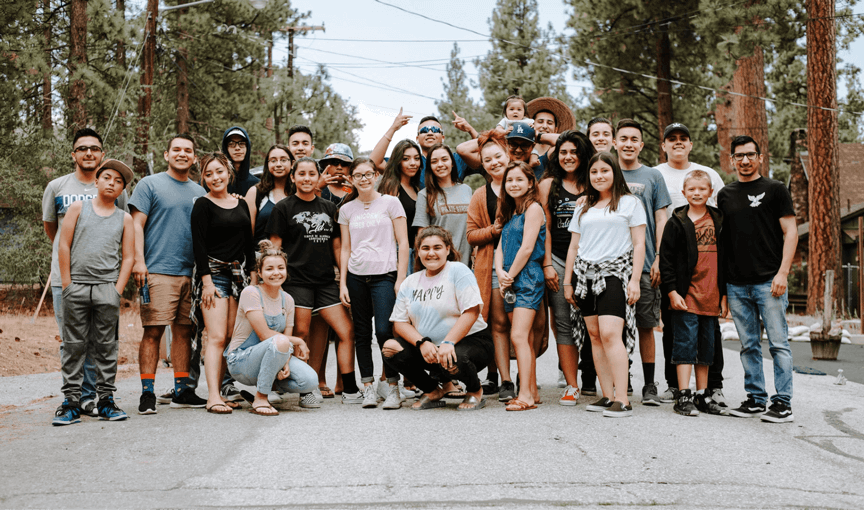
We started Mayako Katero out of empathy inspired by Merry, our school dog. One Christmas day, our senior found her alone on the road, cold and without a safe place to rest. That moment made us realize how many strays live like Merry, unseen and unprotected. So, we created this youth-led project to build small, weatherproof shelters and encourage communities to share leftover food. It’s a simple way to reduce waste, show kindness, and make streets friendlier for both people and animals. For us, it all began with Merry and now, it’s about giving every stray dog the same care she deserves
The Shelters: Small, sturdy huts made from galvanized steel, PVC, and polycarbonate sheets. They’re weatherproof, affordable, and placed in community spaces where dogs usually rest.
The System: Community members leave their leftover food near the shelters instead of throwing it away. This reduces waste and ensures dogs are fed.
The Change: Stray dogs use the shelters to sleep safely, stay warm in winter, and feel calmer. With food and security, they bark less, fight less, and slowly become friendlier with people.
The Impact: Streets are cleaner and quieter. Communities grow more compassionate. Dogs are seen as part of the neighborhood, not as a problem.
We’ve conducted a survey and are now preparing a proposal to present to the government.
if you want to try it here's what you should do:
Do a quick survey of stray dog hotspots.
Build a small pilot shelter with low-cost materials.
Engage the community to share leftovers.
Monitor results and collect feedback.
Expand and report to local authorities or partners.