Little Dreamers Education built the Life Skills Toolkit because we saw generation after generation of brilliant, capable Ugandan children leaving school fully certified and completely unequipped for life. Children who had achieved every pass mark, yet couldn't make a simple decision on their own, resolve a conflict or speak with self assurance. We built this innovation because we believe education should prepare children for life, not just a test.
And the stats confirmed what we already saw: only 2% of Ugandan adolescents can solve everyday life problems and just 9% can speak up respectfully for themselves and those around them.
This is not a random sample of children's untapped potential this is a system not built for it. Every child who learns to raise their voice in one of our classrooms is the reason why this innovation exists.
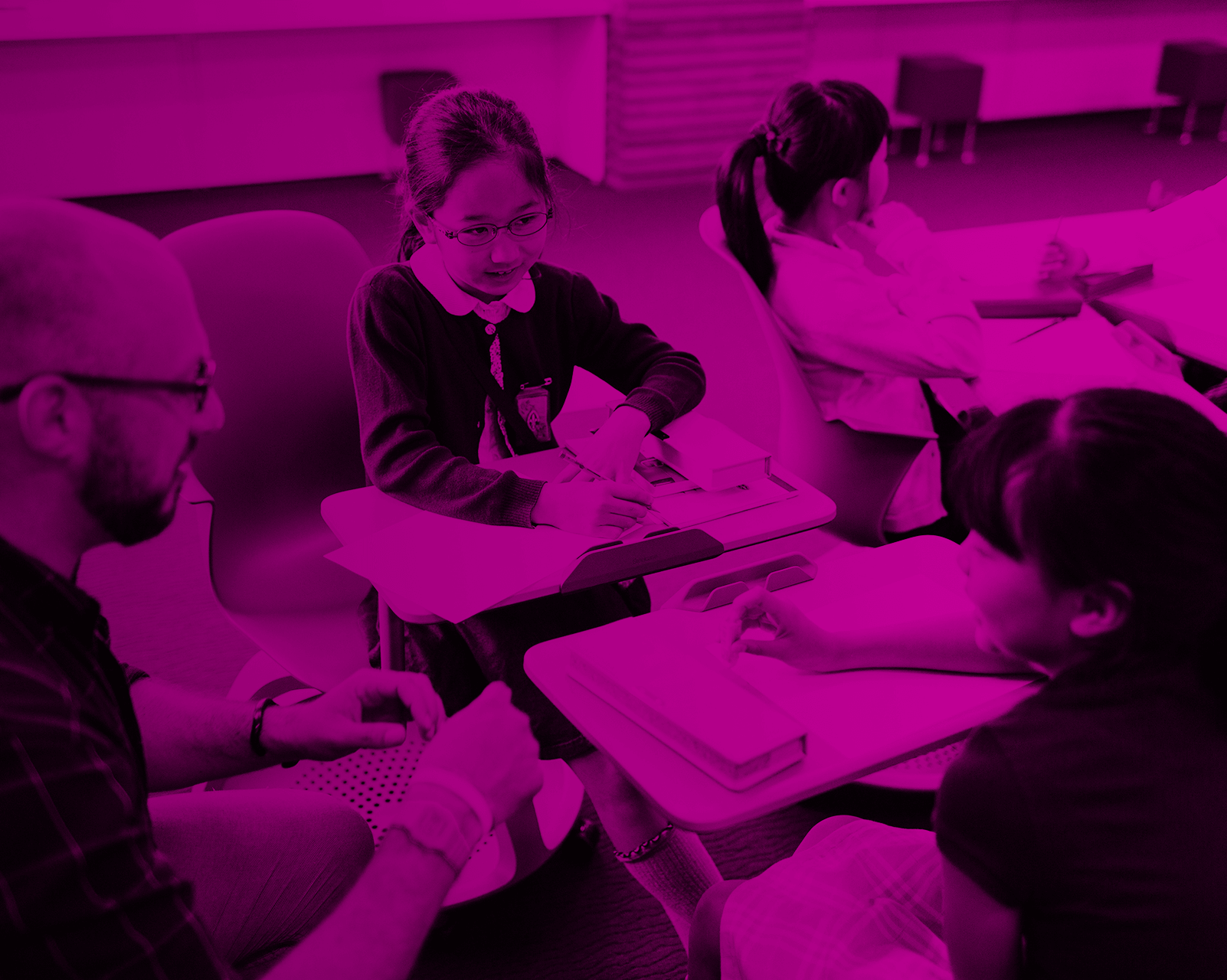
A typical school day for a Primary 4 learner at a Little Dreamers partner school in Uganda starts with a problem to solve. Not rote learning, but the real world a community conflict, a resource hoarding dispute, a breakdown in communications. Children form groups to think through and debate a solution to the problem, negotiate with each other to decide the outcome, and present their solution to the class. This is the Life Skills Toolkit in action.
Behind each lesson is a teacher who has been trained and mentored by a Little Dreamers Skills Educator, who visits the classroom each month to monitor quality and provide classroom coaching. Each term, school teachers meet the learner's parents in a parent forum. Each year, learners showcase their skills for community and government leaders.
Little Dreamers' started in just one model school, with a single shared belief that every child deserves an education that equips them for life, not just exams. From that point, the Life Skills Toolkit has scaled only based on results and trust from community
Teachers tell us about the when their learners gain the confidence, think critically, and statistically measure a positive difference in problem solving. Learners' with this competency, and they want that for their learners. All 20 partner schools we have so far adopted the Toolkit of their own free will and without incentives.
Growth has been driven by teacher head to head conversations, community leader advocacy, and the Life Skills Showcase where government officials and local leaders see learner skills for themselves and are convinced that life skills education must be part of Uganda's future nationally. Partnerships with Mortenson Family Foundation, Gratitude Network, Regis University, have propelled the replication capacity. The goal of Vision 2030 is 200 schools reaching 20,000 learners as a movement that began in just one classroom with one shared knowledge.
We have refined the Life Skills Toolkit approach every term using teacher feedback, feedback from assessment of learner outcomes, and by drawing on our own classroom experiences. Key adaptations have included:
Development of the Skills Educator coaching model: implementation in the first year revealed that teachers needed continued support, not just a one off training, and indeed reported that they did not feel fully confident at the start of their first term. So, Little Dreamers added a Skills Educator role that involves in school observation visits, competency based coaching, and termly teacher refresher training.
An expansion to the nutrition and health component, with clinic access, de worming, and meals now offered, and lessons adapted to take into account the learner need to learn when they are well fed and healthy.
A shift in pedagogical emphasis from learning by instruction to experiential, problem-solving based activities, based on early classroom trials.
Little Dreamers has been constantly reviewing the Life Skills Toolkit apprach according to classroom feedback, views of the teachers, and learner outcomes data since its launch in every term.
The most significant innovation is the introduction of the Skills Educator coaching position. It turned out early in our experience with the Toolkit that a few training sessions per term did not do the job; the teachers felt insufficiently prepared in their first term and needed continuous support. Thus, we have established
Getting started with Little Dreamers Education's Life Skills Toolkit is an easy process made as accessible as possible to community schools.
The first step is to connect. School administrators, education officers, or members of the community interested in entering into a partnership with Little Dreamers can either email the organization at contact@littledreamerseducation.org or visit the organization's website (www.littledreamerseducation.org) and indicate their interest in the replication program.
Once that happens, Little Dreamers conducts a preliminary assessment of the learning environment, class size, teacher capacity, and the broader situation in the community to determine if the school qualifies to become a partner. In the case where a school meets the partnership requirements, it is enrolled in the replication program to receive full teacher training, the Life Skills Toolkit, and Skills Educator coaching throughout the academic year, and access to the termly National Life Skills Showcase.
Partnering schools do not have to pay any costs as the program is completely free for learners.
The only requirement is a willingness and readiness to rethink the way in which education can be delivered.