We created enjuba's Early Childhood Education Model because too many Ugandan children reach primary school without the foundational skills they need to read, count and thrive. Across Uganda, 8 in 10 children cannot read or do basic mathematics by age ten, and many begin Primary One without the readiness to learn. We recognised that these learning gaps often begin much earlier, during the critical years of early childhood, when access to quality pre-primary education is limited, particularly in rural and underserved communities.
Our experience working with children, teachers and schools showed us that improving literacy at later stages is not enough. Children need a strong foundation before they enter primary school. Yet many pre-primary teachers lack structured teaching tools, ongoing classroom support and access to appropriate learning materials.
We created this model to address these challenges through a structured, play-based curriculum aligned with Uganda's national curriculum, continuous teacher coaching and culturally relevant African storybooks that make learning meaningful and engaging for children.
Our ambition goes beyond improving learning outcomes in individual classrooms. We want to demonstrate how quality early childhood education can be delivered consistently and sustainably through public education systems. By working with district local governments and national education institutions, we are building a model that doesn't comprise quality.
enjuba's Early Childhood Education Model brings together three core components: a structured, play-based curriculum, ongoing teacher coaching and culturally relevant African storybooks.
In practice, teachers use step-by-step lessons aligned with Uganda's national pre-primary curriculum to help children develop foundational literacy, numeracy and executive function through engaging, age-appropriate activities. Each school receives culturally relevant books that support storytelling, read-aloud sessions and everyday learning.
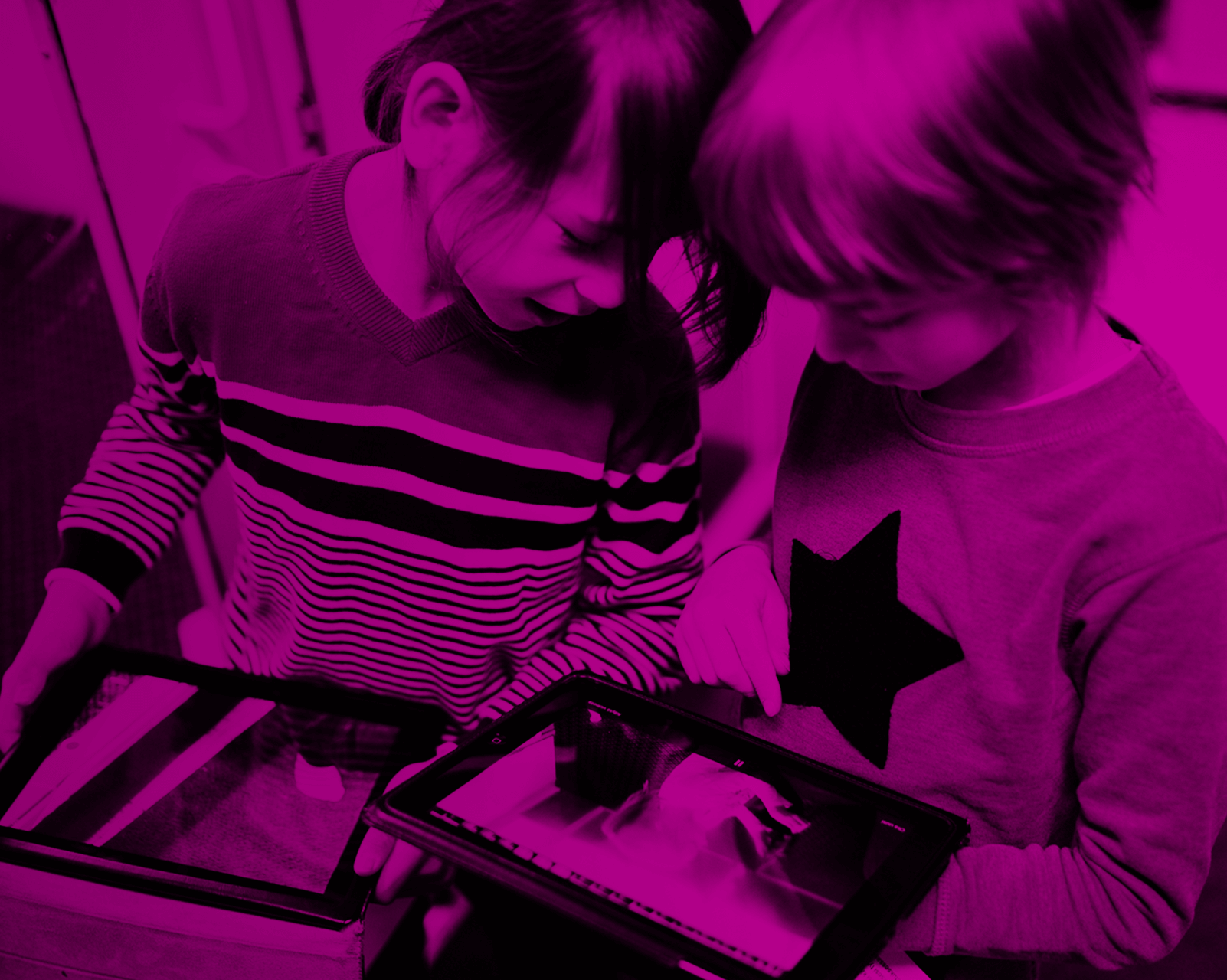
Teachers receive regular classroom coaching through observation, demonstration, practical feedback and learner assessments. We use tablet-based tools to collect data and inform weekly learner dashboards, helping us track children's progress and identify learning gaps.
The model is designed to strengthen teaching practice and improve learning outcomes while remaining practical for rural and underserved schools. We work with district local governments and education institutions to test, refine and integrate the model into public education systems, with the ambition of making quality early learning accessible to more children across Uganda.
enjuba's model has evolved from direct implementation and evidence generation towards expansion through government and education partnerships.
In 2025, we conducted a randomised controlled trial that demonstrated improvements of 42% in foundational numeracy, 34.5% in foundational literacy and 25% in executive function after two academic years of implementation.
In 2026, we are working with Mayuge District Local Government to reach 91,270 children and piloting the national pre-primary curriculum in partnership with the National Curriculum Development Centre (NCDC).
We are also developing a government-linked coaching approach to support expansion from an initial group of schools towards 250 schools. Alongside this, we are exploring partnerships with education organisations in different regions of Uganda to extend the model's reach.
Our long-term ambition is to support government in scaling the model across 10,000 pre-primary schools by 2030, with enjuba increasingly serving as a technical, evidence and quality partner.
enjuba began as a literacy initiative in 2014, using spelling bees and reading activities to inspire children to read. In 2022, we made a strategic shift towards early childhood education after recognising that many learning gaps begin before children enter primary school.
We developed a model combining structured, play-based teaching, ongoing teacher coaching and culturally relevant African storybooks. We then tested and refined the model through implementation and a 2025 randomised controlled trial.
As we prepare to scale, we are strengthening the coaching architecture, developing implementation playbooks and refining our curriculum alongside NCDC. We are also improving tablet-based data collection and learner dashboards to support evidence-informed teaching and monitoring.
Our next planned innovation is an AI-powered Teacher Coaching Assistant that will provide personalised, curriculum-aligned guidance between coaching visits, helping teachers address learning gaps and enabling human coaches to support more schools. This AI component is still under development.
If you are interested in implementing enjuba's model, the first step is to connect with our team to explore your school's context, needs and readiness for early childhood education programming.
We would work with you to understand the number of children and teachers involved, the existing learning environment, access to books and teaching materials, and the support available for teachers.
Implementation would involve adopting a structured, play-based curriculum aligned with Uganda's national pre-primary curriculum, equipping teachers with appropriate learning resources, and establishing ongoing coaching and learner assessment processes.
We would also work with you to identify the support needed to maintain quality, including teacher training, classroom observation, feedback and monitoring of children's learning progress.
For larger-scale implementation, we are interested in partnering with district local governments and education organisations that can support delivery, supervision and sustainability.