Because this solution integrates elements of storytelling, technology, and soft skills development, while being low-cost and adaptable to different environments. It encourages youth to express themselves, explore their identity, and learn in a way that respects their culture and language. I believe that such innovations, when shared and supported, can spark wider change, giving students not only hope but also the tools to build their future.
In practice, my innovation is a flexible educational program that can be implemented in schools, community centers, or even remotely using simple digital tools. It combines project-based learning, storytelling, and basic technology to make learning more meaningful and engaging—especially for students in under-resourced areas.
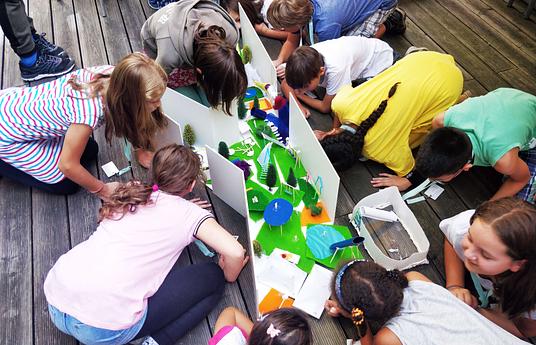
For example, a typical session might begin with a local issue or theme—such as environmental challenges, cultural heritage, or community needs. Students then work in small groups to research the topic, discuss solutions, and express their ideas through creative methods like short videos, visual storytelling, or role-playing. They use tools like mobile phones, free apps, and offline resources to create and present their projects.
The program also includes short activities to build soft skills like communication, collaboration, and empathy. Facilitators act more like guides than traditional teachers, helping students take ownership of their learning. Because the model is simple and adaptable, it can be run by teachers, youth leaders, or volunteers—even with limited resources.
By the end of the program, students not only understand the topic deeply, but also develop the confidence to express themselves, work in teams, and take initiative. The innovation creates a space where learning is active, personal, and connected to real life.
The innovation has been spreading through grassroots efforts, word of mouth, and collaboration with local educators, NGOs, and community centers. Since the program is designed to be low-cost and adaptable, many teachers and youth workers have found it easy to implement in different contexts, including rural areas, refugee communities, and public schools with limited resources.
Social media and storytelling have played a key role in sharing the results. Short videos, student-created content, and facilitator testimonials are shared online to inspire others. This visibility has attracted interest from educational networks and small organizations looking for practical, scalable solutions.
Workshops and online training sessions have also helped expand its reach. By offering free toolkits and guidance in multiple languages, the innovation is accessible to educators from different cultural and educational backgrounds. Collaboration with education-focused platforms and international networks—like HundrED—continues to increase awareness and support the spread of this initiative globally.
If you want to try this innovation, you can start by accessing the free digital toolkit, which includes lesson plans, activity templates, and facilitator guides. These materials are designed to be flexible, so you can adapt them to your own educational setting—whether it's a classroom, community center, or informal learning space.
You can also join an online workshop or request a virtual introduction session to understand how the program works in practice. This can help you feel confident about how to implement the innovation with your learners.
If you're part of a school, NGO, or youth organization, consider partnering with us to bring the full experience to your community. We also encourage you to share your results, feedback, and any creative adaptations you make—this helps others learn and improves the innovation over time.