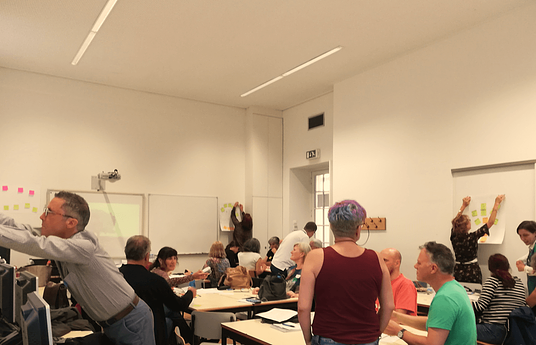
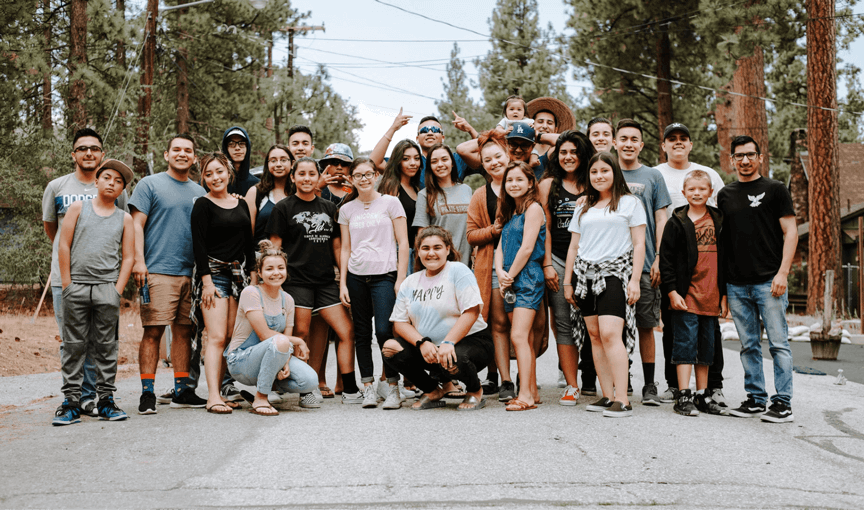
We created “Youth-Led Community Education for Social and Climate Change in Somalia” because Somali youth face many challenges that limit their ability to actively contribute to society. These include limited access to quality education, climate-related risks, weak civic engagement, and social inequalities. Traditional education alone does not equip learners with the skills, knowledge, or confidence to lead change in their communities.
Our innovation empowers youth by providing community-based, youth-led learning programs that integrate climate education, peacebuilding, gender equity, digital literacy, and public health awareness. By putting young people at the center of learning, we help them become agents of positive societal change, building skills that benefit their communities and the broader society.
Youth-Led Workshops: Somali youth facilitate learning on climate, peace, gender, and health.
Community Dialogues & Campaigns: Public discussions and awareness initiatives led by learners.
Project-Based Learning: Practical projects like tree planting, recycling, and digital skills training.
Peer Mentorship: Trained youth mentor peers, spreading knowledge and leadership.
Locally Rooted: Activities reflect Somali culture and community priorities for real impact.
Youth Ambassadors: Trained learners replicate workshops and lead initiatives in their schools and communities.
Community Networks: Activities expand through local community centers, youth groups, and school clubs.
Partnerships: Collaboration with local NGOs, schools, and community leaders increases reach.
Word of Mouth & Social Media: Youth share experiences and campaigns, inspiring peers to join.
Scalable Model: Simple, low-cost approach allows replication in rural, urban, and IDP settings.
Expanded Curriculum: Added modules on digital literacy, climate action, and gender equity based on community needs.
Youth Leadership Focus: Increased emphasis on peer mentorship to empower learners as local change agents.
Flexible Delivery: Adapted workshops for schools, community centers, rural areas, and IDP camps.
Integration with Local Context: Incorporated Somali culture, languages, and community priorities to improve engagement.
Practical Projects: Introduced hands-on initiatives like tree planting, recycling, and health campaigns to reinforce learning.
Join a Workshop: Participate in a Trevesom Organization youth-led workshop in your school or community.
Start a Youth Group: Form a local youth club to replicate workshops and community projects.
Access Training Materials: Use Trevesom’s guides and manuals to implement programs in your area.
Connect with Mentors: Partner with trained youth ambassadors for guidance and support.
Collaborate Locally: Engage with schools, NGOs, or community centers to host activities.