I created this innovation because my community faces serious challenges from contaminated water sources, often polluted by animal waste. Families suffer from preventable waterborne diseases, and children miss school due to illness. Existing solutions are either too expensive or inaccessible. I wanted to design a simple, affordable, and sustainable method that empowers communities to purify their own water. By introducing biodegradable tablets that can purify 10 liters of water each, I am addressing both health and education needs while promoting equity and sustainability. My goal is to start local but create a scalable solution for other communities facing similar challenges across the Global South.
In practice, the innovation is simple to use and community-centered. The biodegradable tablets are distributed to households and schools, where each tablet is dissolved into 10 liters of contaminated water to make it safe for drinking, cooking, and washing. Clear instructions are printed on the tablet containers, making it easy for anyone to understand and apply the process safely. Community members, including students, learn how to use the tablets and why clean water is essential for health and education. Schools can also integrate the tablets into science and health lessons, giving learners a hands-on way to connect classroom knowledge with real-world solutions. The process is quick, affordable, and sustainable, making it easy for families to adopt and for schools to use as an educational tool. In this way, the innovation provides both a practical health solution and an opportunity for education that drives long-term societal change
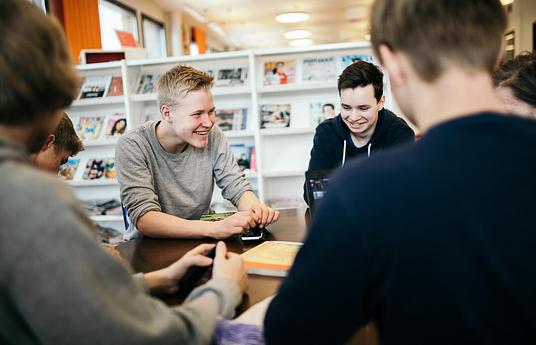
e innovation has been spreading through local demonstrations, word of mouth, and school-based awareness sessions. I also promoted it through Service as Action projects, where students participated in showing how the tablets work and educating others about the importance of clean water. Families who see the tablets in use share their experiences with neighbors, building trust within the community. Teachers and students integrate the tablets into science and health lessons, which strengthens both learning and adoption. Community leaders and health workers have also shown interest, helping extend awareness beyond schools. Starting locally, this combination of education and community action makes the innovation easy to replicate and scale in other contexts
Start with one container of tablets. Follow the simple instructions on the label. Drop one tablet into 10 liters of water and wait for it to purify. Use the safe water for drinking, cooking, or washing. Share your experience with others in your school or community.