Play is every child’s first form of learning—but for many children with disabilities, it becomes their first experience of exclusion.
In India, children with disabilities have little to no access to sports, play, or safe inclusive spaces. This deepens a larger crisis, without inclusive environments in schools and communities, children with disabilities often struggle to build confidence, form friendships, or express themselves freely. This also restricts physical and mental well-being and social emotional development, resulting in a larger systemic crisis—low access to education, high dropout rates, and limited pathways for participation. Social stigma and lack of awareness about disabilities further marginalize them. For families from underserved communities, and especially for girls with disabilities these challenges get compounded.
It is within this context, Umoya Sports aims to reimagine sport and play as powerful tools for inclusion, dignity, and holistic development, ensuring that no child and youth with disability is left behind.
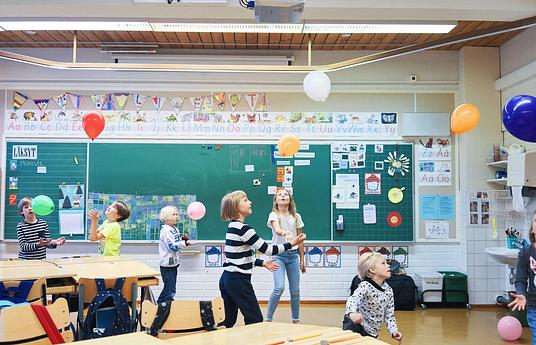
Umoya Sports designs and delivers year-long adapted sports and inclusive physical literacy programs for children and youth with intellectual disabilities, developmental disorders, and locomotor disabilities, aged 5 – 24 yrs old. Our holistic programs are integrated within school curricula, conducted 2–3 times a week during school hours—transforming sports periods into safe, engaging spaces for friendship, teamwork, and social emotional growth, while building foundational movement and sports skills.
Our trained team of adapted sports coaches ensures every session is inclusive, structured, and development-focused. Sessions begin with warm-ups, followed by age and (dis)ability appropriate sports activities, and conclude with reflection circles where children share experiences, challenges, build confidence, and celebrate each other.
A unique strength of our model is engaging sportspersons with disabilities as coaches and mentors. Their lived experiences foster empathy, provide relatable role models, and inspire younger children to see possibility within themselves.
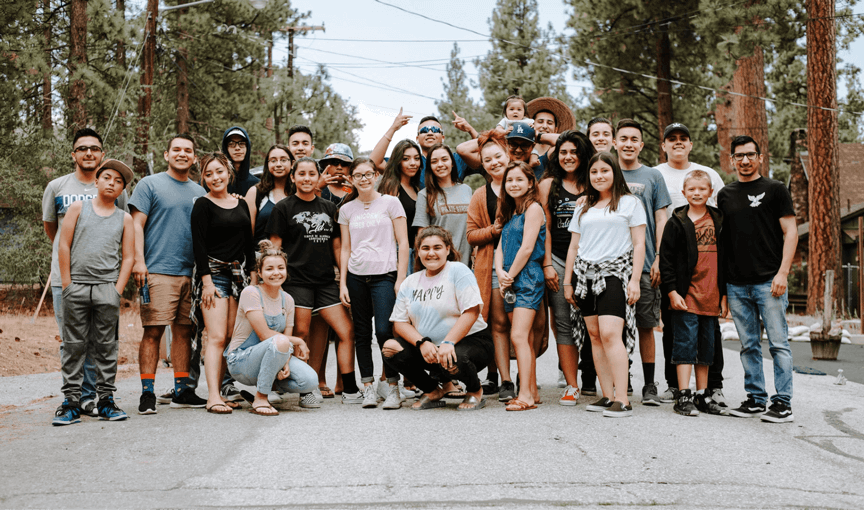
In addition to our regular sports programs, we also organize inclusive sports festivals that bring together children with and without disabilities—creating platforms to compete, collaborate, and break social barriers and stigma.
Through this holistic approach, Umoya Sports uses play and sport not just as activities, but as powerful tools for development, inclusion, and long-term transformation.
Umoya’s journey of growth has been both organic and impact-driven. We began our journey with just three schools has steadily expanded into a network of 15 partner (inclusive and special) schools and community centers, reaching over 2,000 children with disabilities in Delhi NCR, India.
Schools have increasingly recognized the value of integrating adapted sports within their curriculum, not just as physical activity but as a tool for holistic development and inclusion. Our growth has been fueled by the visible transformation in children showcased in events, improved confidence, participation which has led to strong word-of-mouth referrals from educators, parents, and partner institutions.
Also, by training and mentoring sportspersons with disabilities as coaches, we have been able to build local capacity and deepen our impact within each geography.
As awareness around inclusive sports grows, we are seeing increasing interest from new schools, partners, and communities.
Umoya has continuously evolved its innovation by responding to on-ground needs and deepening both access and systemic impact.
Recognizing the lack of safe, accessible spaces beyond schools, we have expanded our model to include after-school inclusive sports hubs. These inclusive spaces are designed as open, community-based environments where children and individuals with disabilities can engage in recreational play or pursue structured, competitive training. After successfully piloting one such space, we are now working towards building a network of these inclusive hubs to extend opportunities beyond the classroom.
At a systems level, we are strengthening integration within public institutions by partnering with government departments. Our programs are being embedded into the anganwadi ecosystem, where we train Anganwadi Workers (AWWs) to incorporate inclusive, play-based learning into daily early childhood education—ensuring early intervention and wider reach at the grassroots.
In addition, we also continue to innovate our adapted sports programs. We have introduced Wheelchair Ultimate, an adapted team sport for children with physical disabilities, creating new avenues for participation, competition, and leadership.
Through these additions, Umoya is moving from program delivery to building a more holistic, scalable ecosystem for inclusive sports and development
We believe in the spirit of collaboration and teamwork to enable more children with disabilities to have access to learning and playing space to help them grow.
As every community/school and child's need could be different, we are happy to connect and support them.
Those who are interested can reach out to us at play@umoyasports.com
We would love to build partnerships to support each other through knowledge sharing, program design consultation, coach & facilitator training, curriculum development, continuous mentoring and much more.