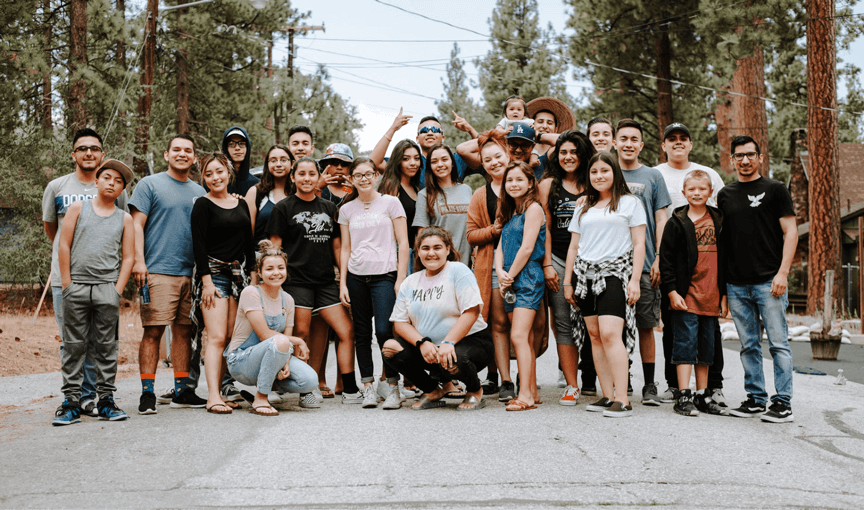
I created Refiners Mentorship because I know what it feels like to face the future with no one guiding you. I left school in Junior Secondary School One and was born with a stammer. I studied on my own, passed the GCE and JAMB, and made it into higher education. There, I was surprised to find many classmates who had been in school for years but were struggling, unmotivated and without direction. I began holding study classes for them, then for younger students, and then visiting secondary schools, first under the name Samtabe Consult.
After years as a school guidance counselor in Enugu, I saw the same pattern again and again. Young people are gifted, but social pressures make many of them lose faith in themselves. Students see no connection between school and their future, so they lose motivation. Graduates finish school confused and jobless. Many schools have few or no counselors, and many families do not see guidance as something a child needs.
Good grades alone are not enough, and neither are good values without skills. I created Refiners to help young people grow in four connected areas at once: sound values, academic excellence, healthy relationships, and skills for financial self-reliance.
Refiners works through four connected activities.
Weekly mentorship: I meet a small, committed group of secondary students, undergraduates and young graduates every week. Sessions cover our four pillars: values, academics, healthy relationships, and career and skills. Because we meet weekly, I can follow each person closely and step in early when someone is struggling.
Termly inter-school programme: once a term, students from several secondary schools come together for training, mentorship and peer exchange. Students hear how peers from other schools have overcome the same problems, which often moves them more than advice from adults.
School talks and coaching: secondary schools and tertiary institutions invite me to speak on values, leadership, academics, relationships and careers. I also offer one-on-one and group coaching for young people facing personal, academic or career decisions.
Skills and work: we encourage young people to build practical skills such as writing, content creation and technology while still in school, and we use our network to connect graduates with job opportunities.
I am also building a virtual mentoring and counseling platform, so students can book sessions with vetted counselors, join live sessions and find resources, even where their school has no counselor.
Refiners began with study classes for my coursemates in polytechnic and grew through school outreach under the name Samtabe Consult. As more secondary schools invited me to speak, the work became a structured mentorship model with four pillars.
Today it spreads in three ways.
School invitations: secondary schools and tertiary institutions continue to invite me to speak and train their students. Demand is now greater than I can meet alone; at times I have been invited by two schools for the same period and could only accept one.
The termly inter-school programme: each term, students from several secondary schools join the programme, and the schools that take part introduce it to others. [Add numbers: e.g. it has reached X students from Y schools since YEAR.]
Word of mouth among young people: undergraduates and graduates join our weekly mentorship after hearing from peers. This year, several jobless graduates in the group gained direction and were connected to jobs, and their stories have brought others to us.
Our next step is to spread beyond Enugu. My priority is to train new mentors so the model does not depend on me alone, and the virtual counseling platform will let us reach students in schools we cannot visit in person.
The work began as one-off talks and study classes. Over time, I saw that a single talk could inspire students, but it rarely changed their lives on its own. So I made several changes.
First, I organised the content into four pillars: values, academics, healthy relationships, and skills for financial self-reliance. This gave every session a clear purpose and made the model easier to explain to schools.
Second, I added the termly inter-school programme, so students from different schools could learn from each other, not only from me.
Third, I started a close weekly mentorship group. Weekly contact lets me follow each young person’s progress and support them through real decisions.
Fourth, I extended the work to graduates. Seeing young graduates jobless and confused, we added career guidance, skills building and job connections, and several have since found work.
Finally, as a self-taught software engineer, I began building a virtual mentoring and counseling platform, so that students without a school counselor can still get support.
You can start Refiners-style mentorship with a small group and very few resources.
Start small. Gather 10 to 20 young people you can meet with regularly, at a school, church, community centre or online.
Use the four pillars. Plan your sessions around values, academic habits, healthy relationships, and careers and skills. Give equal attention to all four, because they support one another.
Meet weekly. Short weekly sessions build trust and let you follow each person’s progress better than occasional events.
Share real stories. Invite people from the community to talk about their own paths, failures and work. Young people learn most from those who were once in their position.
Bring schools together. Once you are established, partner with nearby schools for a termly gathering where students learn from each other.
Connect learning to work. Encourage practical skills such as writing, digital and technical skills, and use your network to link older mentees to opportunities.
Keep young people safe. Agree on a safeguarding policy, involve parents and schools, and avoid unsupervised one-on-one meetings with minors.