What we do?
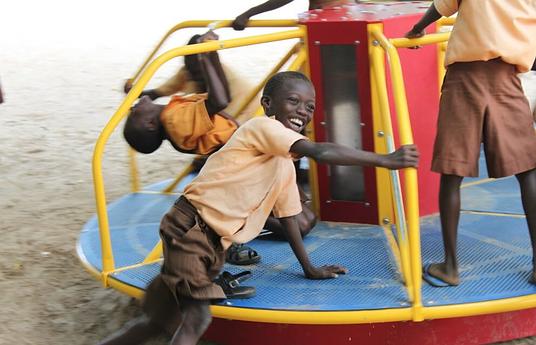
Playful Science for Kids is a project that aims to motivate the child to active contact with contemporary scientific and technological reality. As a work methodology, we adopted principles of Paulo Freire's pedagogy promoting scenarios of collective and dialogical work with children in workshops mediated by an adult. We offer the opportunity for children to manipulate culturally elaborated objects. They are inspirations for children to build artifacts using everyday, low-cost objects. Art is a form of natural expression for children. Therefore, the themes of the workshops and the activities carried out allow them to express and share their understanding of the things they experience such as: perceptions about light, images and the formation of shadows, the construction of organic and inorganic forms, the production sound and sonorities, among others. Our expectation is that children will act as producers of culture, knowledge and science.
Why we do it?
We fight against the conception of the child as a consumer of goods and propaedeutic knowledge. In our societies, children are manipulated by interests that are not theirs or those that wish to transform our common future. We argue that children need to be treated as full citizens. We work for economically and culturally disadvantaged children, offering them opportunities to act as creators of culture and knowledge. We also offer training to teachers of these children who wish to promote play activities on events and phenomena that involve scientific and technological knowledge.