I built on this innovation because I believe children do not suddenly stop learning through play when they leave the Early Years. Too often, classrooms become increasingly formal despite decades of research showing that young children learn best through exploration, inquiry and meaningful experiences. I wanted to bridge the gap between Early Years and primary education by creating learning environments that preserve childhood, promote agency and curiosity, and demonstrate that play-based learning and academic excellence can thrive together.
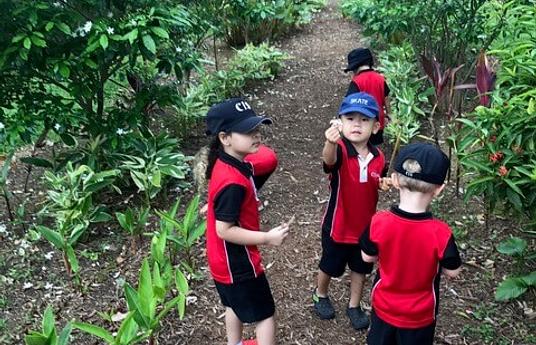
Continuous Provision is a child-centred approach in which carefully planned learning environments remain continuously available, allowing children to independently access resources, revisit concepts and apply new learning through purposeful play. In practice, this is balanced with explicit teaching. Following focused lessons, children choose from curriculum-linked areas such as construction, role play, writing, STEM, investigation and creativity to deepen their understanding through exploration, collaboration and problem-solving. Teachers carefully observe, question and extend learning, ensuring high levels of agency, independence and academic challenge.
The innovation has grown beyond my own classroom to become embedded across our Early Childhood Centre from KG1 to KG3 through collaborative leadership, teacher training and ongoing coaching. I have supported teachers in transforming both their practice and learning environments. By empowering educators with the knowledge, confidence and evidence behind play-based learning, the innovation continues to spread through collaboration, professional learning and shared practice.
This innovation builds on established Early Years principles by adapting Continuous Provision for older learners in Grade 1. Rather than replicating an Early Years model, I redesigned learning environments, resources and teaching strategies to align with the academic expectations of the primary curriculum while preserving play, inquiry and child agency. I also developed professional learning for teachers, parent workshops to build understanding, and practical implementation strategies that make the approach sustainable and transferable across different school contexts.
Start by shifting the mindset before changing the classroom. Continuous Provision is not about adding more resources or allowing unstructured free play, it is about designing purposeful, curriculum-linked environments where children can apply and extend their learning independently. Begin with a few well-planned provision areas, introduce them gradually, and balance them with explicit teaching. Invest in teacher professional development, observe how children interact with the environment, and refine the provision based on their needs and interests. Most importantly, trust children with genuine agency, the impact comes from giving them meaningful opportunities to think, explore, create and take ownership of their learning.