I created Multidisciplinary 2.0 to rebuild the true purpose of education — not just producing degree holders, but nurturing innovators and problem-solvers. Today’s system often separates subjects and limits creativity, while ancient Indian education was holistic, experiential, and value-driven. This model reconnects that wisdom with modern science and technology, helping students learn by doing, exploring, and innovating across disciplines.
Through 6+ years of teaching and mentoring, I witnessed the gap between academic learning and real-world innovation. Many students have ideas but lack a system that supports them. Multidisciplinary 2.0 provides that ecosystem — combining innovation labs, project-based learning, startup thinking, and community-based research.
The goal is to make every student a creator of knowledge, not just a consumer — empowering them to become self-reliant leaders who can build sustainable solutions for society, just as ancient Gurukuls once shaped visionaries for their time.
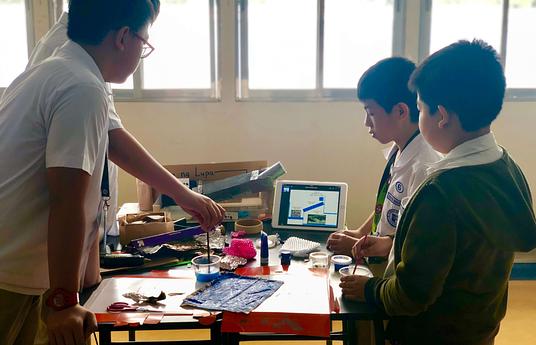
In practice, Multidisciplinary 2.0 functions as a living innovation ecosystem within schools and colleges. It transforms classrooms into innovation hubs, where students learn through projects that merge science, technology, culture, and sustainability. Each subject becomes interconnected — for example, a lesson on agriculture links biology, energy, and entrepreneurship.
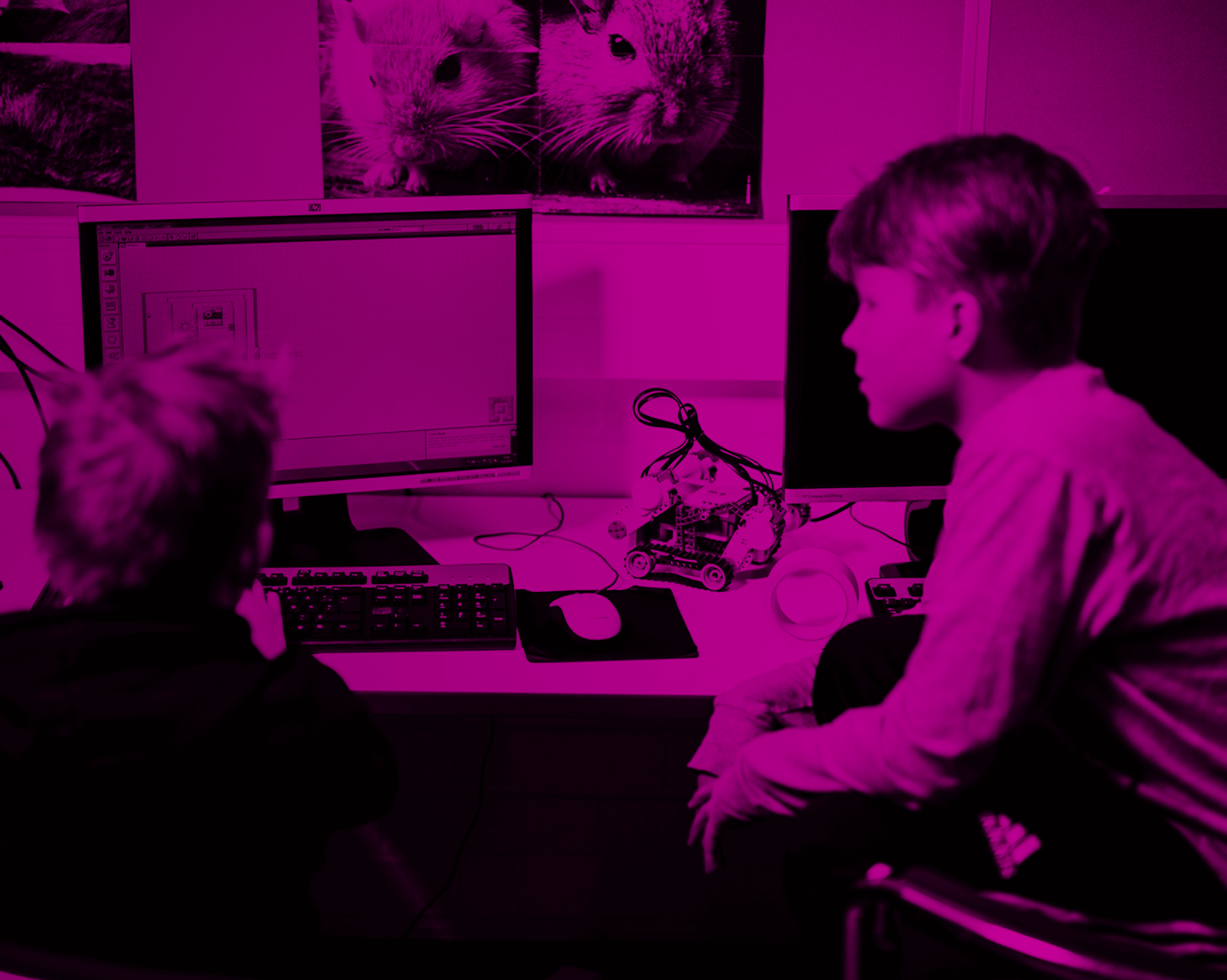
Teachers act as mentors, guiding learners to explore real-world problems and design their own solutions using locally available resources. The model includes innovation labs, community challenges, and startup-oriented learning modules, allowing students to test and prototype ideas.
Assessments shift from rote exams to innovation portfolios, where creativity, teamwork, and impact are measured. Ancient Indian principles of experiential learning and value-based education are reintroduced, ensuring students grow intellectually, emotionally, and ethically.
In short, it looks like a self-reliant, creative learning environment — where every learner becomes an innovator ready to lead change in society.
Multidisciplinary 2.0 has been spreading organically through a combination of teacher training, pilot programs, and community engagement. Initial implementation began in select schools and colleges where I conducted workshops and mentored educators to adopt the methodology.
Students showcase their projects locally, which inspires other schools to adopt similar approaches. Recognition through media coverage, innovation labs, and education forums has amplified awareness.
Additionally, collaborative networks with educators and small-scale rural innovation hubs have helped the model reach new regions. Word-of-mouth, coupled with online presentations of the methodology, continues to attract interest from schools, teachers, and education-focused organizations across India and globally.
It is spreading as a replicable, scalable model, adaptable to different educational contexts, while retaining its focus on creating innovators and leaders.
If you want to try Multidisciplinary 2.0, here’s a clear roadmap:
Get a Summary of the Model
Prepare or request a 1–2 page overview of the methodology with objectives, modules, and outcomes.
Pilot in Your Institution or Group
Identify a class, batch, or small learning group.
Implement project-based, interdisciplinary activities using the model.
Set Up an Innovation Space
Even a small lab, maker-space, or virtual innovation hub works.
Include tools for experimentation, creativity, and problem-solving.
Teacher / Mentor Training
Teachers should act as guides, not just instructors.
Conduct a short workshop on the methodology.
Use Real-World Challenges
Let students tackle local or global problems through interdisciplinary projects.
Document & Track Progress
Maintain portfolios, presentations, or prototypes as assessment.
Connect with the Model Creator / Network
Reach out for guidance, best practices, and possibly recognition or certificate support.
✅ Outcome: You’ll experience the methodology firsthand, create student innovators, and have the option to apply for recognition once you’ve piloted it.