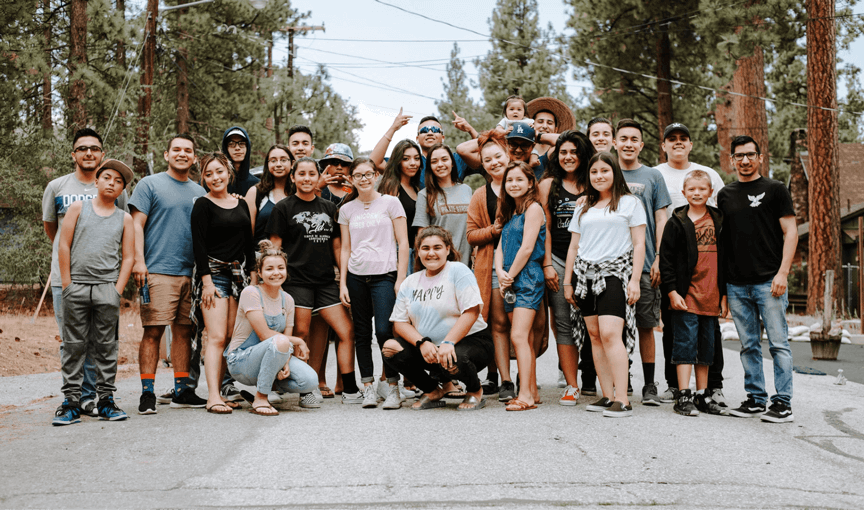
I created Kakuma Climate Action because I saw an urgent need to address the environmental and food security challenges faced by refugees in the Kakuma Refugee Camp. With the increasing effects of climate change, such as prolonged droughts and soil degradation, refugees are left vulnerable to hunger and limited educational opportunities. I believe planting trees is the best solution to this issue.
In practice, Kakuma Climate Action involves a hands-on, community-driven approach to climate resilience and sustainable development. The core of the innovation is tree planting—targeting areas most affected by drought and soil erosion in Kakuma Refugee Camp.
The process begins with identifying local, drought-resistant tree species that are suitable for the region. Volunteers, particularly refugees, are trained in the tree planting process, including soil preparation, planting techniques, and maintaining trees for long-term growth. Schools, community centers, and farms are the primary locations for planting, integrating environmental education into the project.
Beyond planting, the innovation focuses on sustainable agriculture practices. Refugees are taught how to implement agroforestry—combining tree planting with crop cultivation to enhance soil fertility and improve food production.
The project spread through community workshops and school-based programs, where students and teachers became advocates for climate action. Word of mouth, along with social media outreach, helped attract support from local organizations, NGOs, and individuals interested in contributing to environmental sustainability in Kakuma.
Kakuma Climate Action is an innovative project aimed at combating climate change and promoting environmental sustainability in refugee communities.
If you want to try it, here is how:
1. Understand the Core Concept of the Innovation
Familiarize yourself with the goal of Kakuma Climate Action: combating climate change, improving agriculture, and promoting self-sustainability.