Arshirbad Mohila Unnayan Samity created this innovation in response to the growing climate vulnerability of marginalized communities, particularly women and youth. While environmental awareness campaigns were increasing, we observed that communities lacked practical skills, systems-thinking, and leadership pathways to translate knowledge into action. Rising climate shocks, unsafe water, waste mismanagement, and declining livelihoods were directly affecting both planetary and human health. At the same time, many young people expressed eco-anxiety and helplessness about the future. We realized that awareness alone was not enough. We needed an approach that connects environmental education with real-life problem solving, economic resilience, and community leadership. This innovation was designed to move beyond theory and empower local actors to co-create practical, measurable, and scalable solutions that improve both ecosystem stability and human wellbeing.
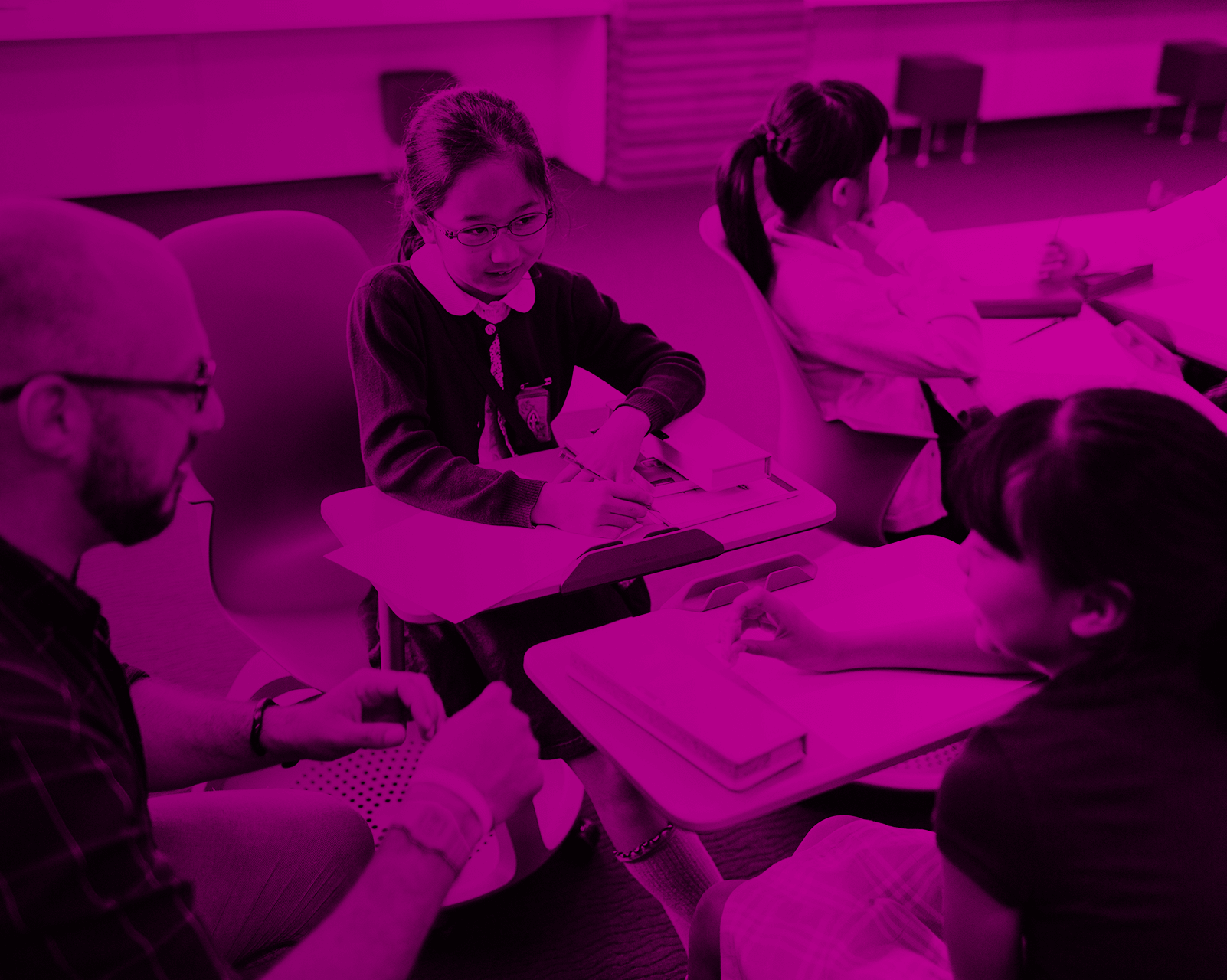
In practice, our innovation integrates planetary health education with hands-on community action. We work with schools, vocational groups, and women’s collectives to deliver systems-thinking workshops, climate literacy sessions, and leadership training. Participants map local environmental challenges such as waste, water safety, and climate risks, then design small-scale pilot solutions. These include community waste segregation models, kitchen gardening for food resilience, awareness-to-action school campaigns, and low-cost sustainable practices. Teachers receive guidance to embed planetary health concepts into regular learning activities. Women’s groups link environmental practices with livelihood skills, ensuring sustainability. Each cycle includes reflection, peer learning, and community presentations to encourage ownership and accountability. The approach is practical, participatory, and rooted in local context, ensuring both behavioral change and systemic impact.
The innovation has been spreading organically through community networks, school partnerships, and women-led groups. As participants demonstrate visible results, such as cleaner surroundings, improved food practices, and increased youth leadership, neighboring communities show interest in adopting the model. Local educators and volunteers have become facilitators, allowing the approach to expand without heavy external resources. We also share learning through community meetings, social platforms, and collaboration with local stakeholders. The simplicity and adaptability of the model enable it to be replicated in different contexts. Because it links environmental action with health and livelihoods, communities see immediate relevance, which accelerates adoption and sustainability.
Initially, the program focused mainly on environmental awareness and basic training. However, feedback from participants revealed the need for stronger action components and economic linkages. We therefore integrated systems-thinking tools, participatory mapping, and youth leadership modules. We added hands-on demonstration projects and community accountability sessions to ensure measurable outcomes. Teacher engagement was strengthened to support long-term integration into school culture. We also incorporated mental wellbeing discussions to address eco-anxiety and shift the narrative toward eco-ambition. These modifications have made the innovation more holistic, action-driven, and scalable.
To implement this innovation, start by forming a small local group of motivated teachers, youth, and women leaders. Conduct a participatory mapping exercise to identify key environmental challenges affecting both health and livelihoods. Facilitate basic systems-thinking and climate literacy sessions using practical examples. Support participants to design small, achievable action projects and create reflection spaces for learning and improvement. Engage school leadership or community authorities to embed activities into existing structures. Begin small, document progress, and gradually scale through peer learning. The model is flexible and can be adapted to different cultural and geographic contexts while maintaining its focus on planetary health and community empowerment.