I created ClassConnect after realizing how deeply language barriers affect migrant and refugee students. Watching documentaries and reading reports about children who drop out because they cannot follow lessons sparked my interest. When I researched further, I found the problem was widespread not only in Europe but also across Africa and beyond. Students are left behind, teachers feel overwhelmed, and parents are disconnected from their children’s learning. I wanted to create a solution that not only translates lessons in real time but also builds a bridge for long-term integration, relieving teachers and involving parents. ClassConnect was born from the belief that no child should be excluded from education simply because of language.
There are serious language and integration barriers: students are often placed in regular classes without enough preparatory Polish language support.
UNICEF
+3
Asylum Info Database
+3
Migration and Home Affairs
+3
Global UNHCR / Refugee Edu Data
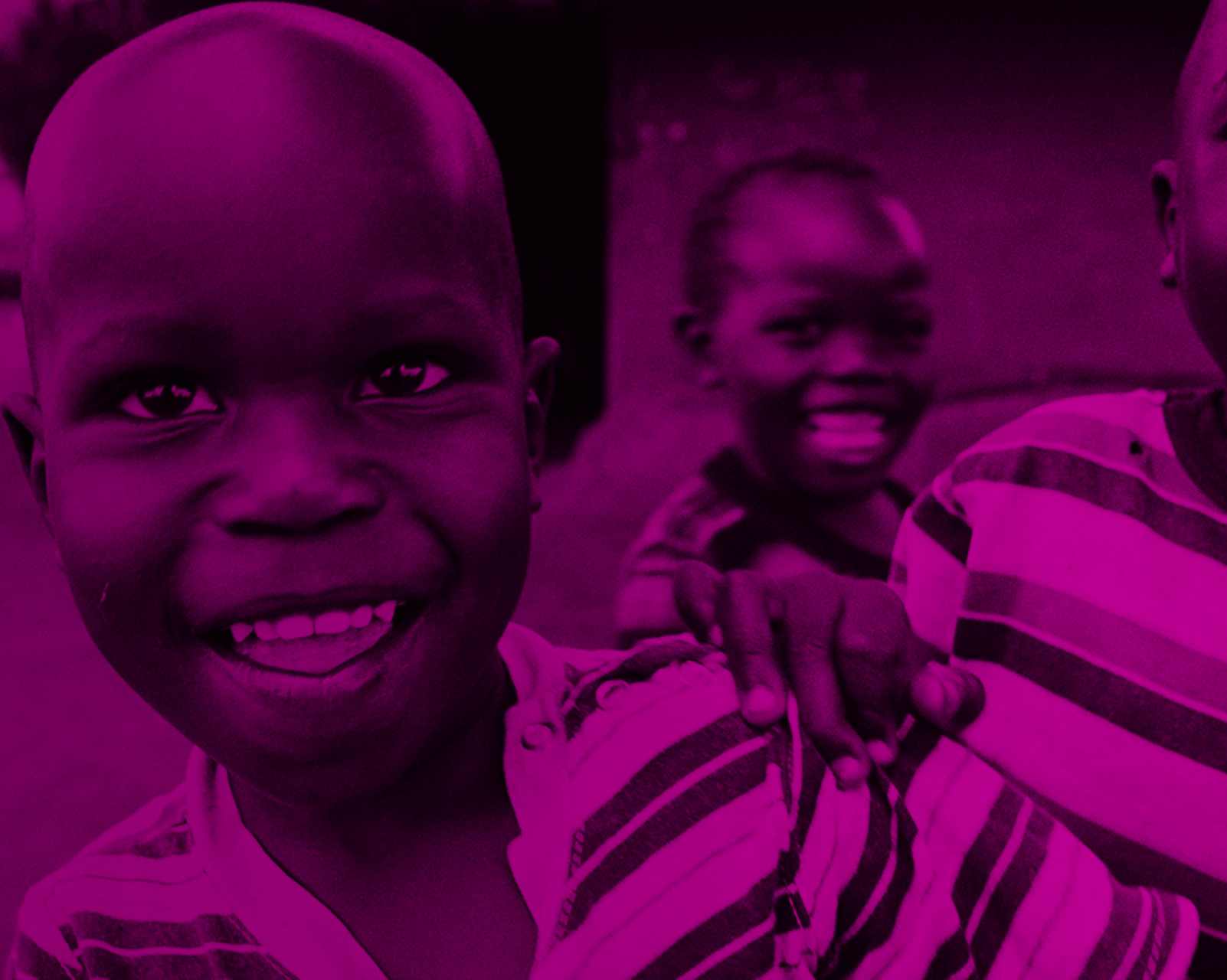
Refugee children often do not speak the official language of instruction in their host country, and many have missed years of schooling. This contributes significantly low attendance.
In Greece, a study showed 56% of refugee participants could not correctly answer basic questions about written information even when it was provided in their own language. This reveals that simply translating isn’t enough if literacy or comprehension style isn’t considered.
Translators without borders
In practice, ClassConnect works inside the classroom as a digital companion for students, teachers, and parents. When a teacher gives a lesson in the host language, students receive real-time subtitles or optional audio in their own language on a tablet or phone. After class, they can access bilingual transcripts and interactive exercises designed to help them learn the new language through the actual content taught in school. Teachers have a dashboard that shows which students are following along, they can see which student needs help where, all these without increasing teacher workload. While parents can view progress and support their child’s learning at home. This way, every stakeholder is connected, lessons become inclusive, and language barriers no longer stand in the way of education.
ClassConnect is still in the development stage, so it has not yet spread to classrooms.
Our plan is to launch an MVP pilot in 2026, starting with a small group of schools, and then scale through partnerships with education ministries, NGOs, and international organizations.
We have not yet modified or added to ClassConnect since we are still in the MVP development stage. However, based on feedback and research, we plan to continuously adapt by integrating features that reduce teacher workload, strengthen parent–school communication, and enhance offline accessibility for low-connectivity environments. These adjustments will ensure the solution remains practical, scalable, and impactful across diverse contexts.
ClassConnect is still in development, and we are preparing for pilot testing in 2026. If you would like to try it, the best step is to join our waitlist or express interest in being part of our pilot program. Educators, schools, NGOs, or parents who sign up will be notified once the MVP is ready, and we will provide early access to test the platform and give feedback.