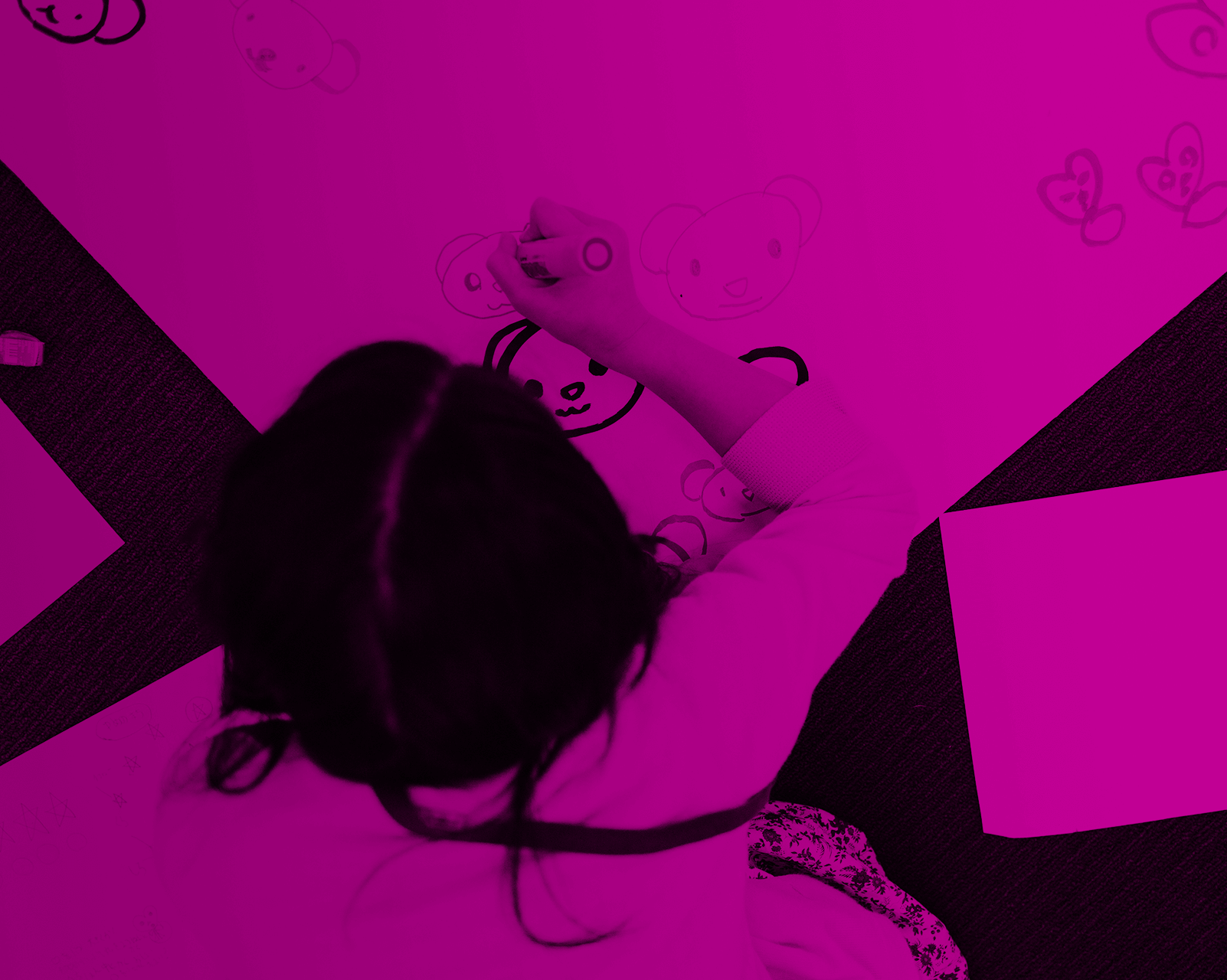
We created Bridgeway Learning Circles to address the persistent learning inequalities faced by children in underserved Ghanaian communities, where limited digital access, inadequate learning resources, and low community engagement hinder students’ ability to thrive. Traditional teaching methods often leave learners disengaged and unprepared for a rapidly changing world. We saw the urgent need for an approach that not only improves academic performance but also builds life skills, creativity, and societal awareness.
This innovation emerged from Bridgeway Foundation’s direct work in rural schools, where we witnessed students’ potential flourish when learning became hands-on, relevant, and community-supported. By designing an approach that blends digital literacy, arts, and real-world problem-solving, we aimed to empower students as active participants in their education and catalysts for change in their communities. Our goal is to ensure that every child, regardless of background, can gain the confidence, skills, and opportunities needed for a brighter future.
In practice, Bridgeway Learning Circles operate as small, lively groups of 10–20 students who meet weekly in their school or community hub. Each session is guided by a trained teacher-facilitator using simple, activity-based micro-curricula. Students work collaboratively on real-life challenges, such as designing handwashing campaigns, creating digital stories, or developing simple solutions to sanitation and environmental issues.
Learning spaces are equipped with low-cost digital tools like tablets, laptops, or offline learning devices. Students rotate through activities that build digital skills, creativity, communication, and problem-solving. Art, storytelling, science, and technology are blended to make learning engaging and relevant.
Teachers receive ongoing coaching through the Bridgeway Teacher Capacity Accelerator, while parents, artisans, and community leaders join selected sessions to support projects and share knowledge. Every 6–8 weeks, learners present their projects during “Showcase Days,” turning the school into a community learning hub.
This model integrates seamlessly into school routines, requires minimal resources, and creates a vibrant environment where students feel empowered, confident, and connected to real-world issues.
Bridgeway Learning Circles has been spreading organically through strong community demand, partnerships, and evidence from our pilot activities. As schools began to see improvements in student engagement, digital confidence, and attendance, especially among girls, other headteachers, parents, and district education officers requested to join the program. The model has been replicated across multiple rural schools through Bridgeway Foundation’s existing initiatives such as Stay in School, WASH programs, girls’ empowerment activities, and digital literacy outreach.
Teacher training workshops have enabled schools to adopt the Learning Circles approach independently, while community Showcase Days have increased visibility and inspired neighboring communities to participate. Social media storytelling, local radio discussions, and collaboration with youth groups and artisans have further accelerated interest. Because the model is low-cost, adaptable, and community-driven, it continues to spread naturally across districts through word of mouth and educator-to-educator sharing.
We have continuously refined Bridgeway Learning Circles based on feedback from students, teachers, and community partners. Initially focused on digital literacy and creative expression, the innovation expanded to include WASH education, life skills, and gender-responsive activities after identifying gaps in students’ real-world readiness. We also introduced flexible micro-curricula to help teachers run sessions confidently, even in low-resource classrooms.
To strengthen impact and scalability, we added a Teacher Capacity Accelerator that provides ongoing coaching, practical tools, and peer-learning opportunities. Community Action Partnerships were later integrated to ensure parents, artisans, health workers, and local leaders actively participate in learning projects. Most recently, we incorporated offline digital learning solutions to support schools without reliable internet access.
These improvements have made the innovation more inclusive, adaptable, and sustainable, allowing it to fit the diverse needs of rural communities while remaining aligned with our mission to empower learners as agents of societal change.
To get started with Bridgeway Learning Circles, you only need a small group of motivated learners and a teacher or facilitator willing to guide the sessions. Begin by selecting one of our simple micro-curricula, such as digital storytelling, WASH awareness, or creative arts, and organize weekly Learning Circle activities using whatever resources you already have. Schools or organizations can request our starter toolkit, which includes facilitator guides, activity templates, and implementation tips for low-resource settings.
Next, identify a small space for your learning circle and invite parents or community members to support selected projects. We also offer virtual orientation sessions and on-site training for schools that want to adopt the full model. Simply reach out to Bridgeway Foundation to access materials, training, or ongoing support. Any teachers, youth leaders, NGOs, or community groups can pilot the innovation in their context and begin empowering learners immediately.

.jpg)
