I created Green Songs in response to two urgent needs: the need to embed education for sustainable development meaningfully in teacher education, and the lack of culturally relevant environmental songs for young children in the South African context. I wanted pre-service music teachers to move beyond learning about sustainability in theory toward actively teaching it through joyful, creative, and locally grounded musical experiences. By composing original songs, adding movement, and designing playful eco-action tasks, they could connect global sustainability goals to children’s everyday lives in ways that feel memorable and empowering.
The innovation was also born from my belief that music can shape values, habits, and hope from the earliest years. Young children naturally respond to rhythm, repetition, movement, and imagination, making music a powerful pathway for nurturing ecological awareness, empathy, and responsible action. At the same time, the project develops future educators’ confidence, creativity, and pedagogical skills, equipping them to become change agents in their communities.
Ultimately, I created Green Songs to show that sustainability learning can be joyful, culturally responsive, low-cost, and deeply human—where children do not only sing about caring for the planet, but begin to practise it through everyday actions that can grow into lifelong habits.
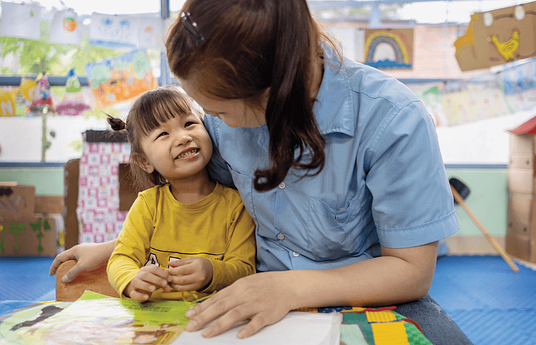
In practice, Green Songs is a project-based, service-learning innovation where pre-service music teachers partner with a local pre-school over several weeks. They begin by introducing a simple theme song—the Green Song—with easy lyrics, repetition, and gross motor movements that help children remember key sustainability ideas such as recycling, saving water, and caring for animals and plants. Each week, the student teachers work in pairs to compose a new original green song linked to specific sustainability themes, such as responsible consumption, climate action, life below water, and life on land. These songs are taught in small interactive groups, often in children’s home languages, using movement, body percussion, props, instruments, and playful demonstrations. Practical eco-action challenges are built into each visit, for example picking up litter, closing dripping taps, planting seeds, or caring for paper fish in bowls of water. The innovation therefore combines songwriting, singing, movement, reflection, and real-world environmental action. Pre-service teachers keep reflective journals, refine their teaching strategies, and collaborate with classroom teachers, who continue practising the songs during the week. In this way, Green Songs moves beyond awareness into habit formation, helping children connect joyful musical experiences with everyday sustainable behaviours while simultaneously building educators’ creativity, confidence, and capacity to teach for sustainability
Green Songs spreads through teacher education, school partnerships, and its adaptable low-cost design. The first pathway is through pre-service music teachers, who learn to compose and teach original sustainability songs in culturally responsive ways. As they graduate, they carry this approach into future classrooms and communities, allowing the innovation to grow organically through each educator. A second pathway is the partner pre-school, where classroom teachers continued practising the songs, movements, and eco-actions with children between visits. This helped embed sustainable habits into daily routines and demonstrated how the model can become part of existing early childhood programmes. The innovation is also highly transferable because it uses teacher-created songs, movement, repetition, local languages, and practical sustainability challenges such as recycling, saving water, and planting seeds. These elements can be easily adapted for different schools, age groups, languages, and environmental contexts. Its spread is further strengthened by the research framework, which aligns the model with UNESCO’s education for sustainable development priorities, making it easy for universities, teacher educators, and schools to adopt, contextualise, and scale in diverse settings.
If you want to try this innovation in your local community or adapt it to include other art forms, please contact me!