We created EduConnect because too many young people in underserved communities are left with education that stops at theory. They graduate without the practical skills, mentorship, or confidence to tackle the challenges they see around them. EduConnect was born from the belief that education should empower learners to not only dream of change but to create it—transforming knowledge into action and communities into hubs of innovation.
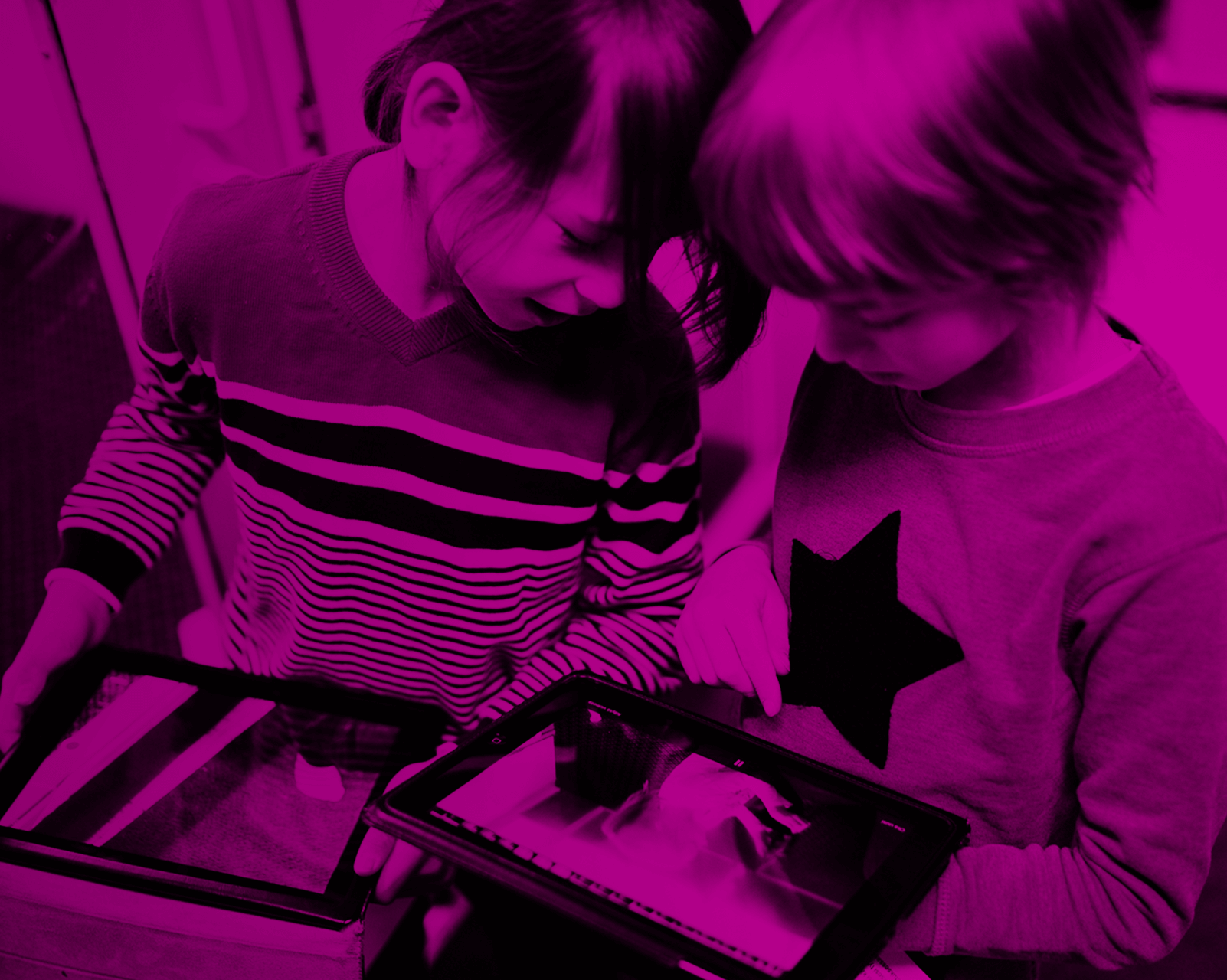
In practice, EduConnect takes the form of vibrant community learning hubs set up in schools, libraries, or shared community spaces. Each hub is equipped with solar-powered digital tools, offline learning resources, and trained mentors. Learners gather in small groups to work on real community challenges—like designing waste recycling systems, creating water filters, or launching small enterprises. They receive guidance from teachers, local leaders, and university student mentors while blending classroom knowledge with hands-on projects. The result is an engaging, practical learning space where education directly translates into social impact.
EduConnect has been spreading organically through partnerships and community ownership. Once a hub is established, learners showcase their projects—such as clean water solutions or waste recycling—to local leaders and schools, inspiring others to adopt the model. Word of mouth, teacher networks, and youth organizations have helped replicate the approach in new communities. Because the hubs are low-cost, adaptable, and powered by local mentors, the model grows sustainably without heavy external dependence. Each hub becomes a seed that sparks another, creating a ripple effect of innovation and social change.
EduConnect has continued to evolve by listening to the communities it serves. We introduced solar-powered hubs to ensure reliable access in off-grid areas, added offline digital libraries for low-connectivity regions, and integrated peer-to-peer mentorship so that older learners guide younger ones. We’ve also expanded beyond academic support to include entrepreneurship training and community problem-solving projects. These modifications make EduConnect more inclusive, adaptable, and impactful in addressing both learning gaps and local challenges.
Getting started with EduConnect is simple. Identify a community space such as a classroom, library, or hall that can serve as a hub. Then gather learners, a mentor or teacher, and a small set of resources—these can include offline digital tools, solar kits, or even locally available materials. EduConnect provides a flexible model: start with problem-based learning activities where learners work together to solve a real issue in their community. From there, you can expand step by step—adding mentorship, digital resources, and community partnerships. The key is to begin small, make it practical, and let the community drive the growth.