Share Start emerged as a response to exam-driven classrooms, fragmented professional development, and the lack of teacher agency in Taiwan. Teachers needed a practical, collaborative approach that restored professional identity, reduced planning burden, and supported meaningful learning for students. The model began as a classroom solution but grew into a teacher-led movement because it addressed real, everyday challenges.
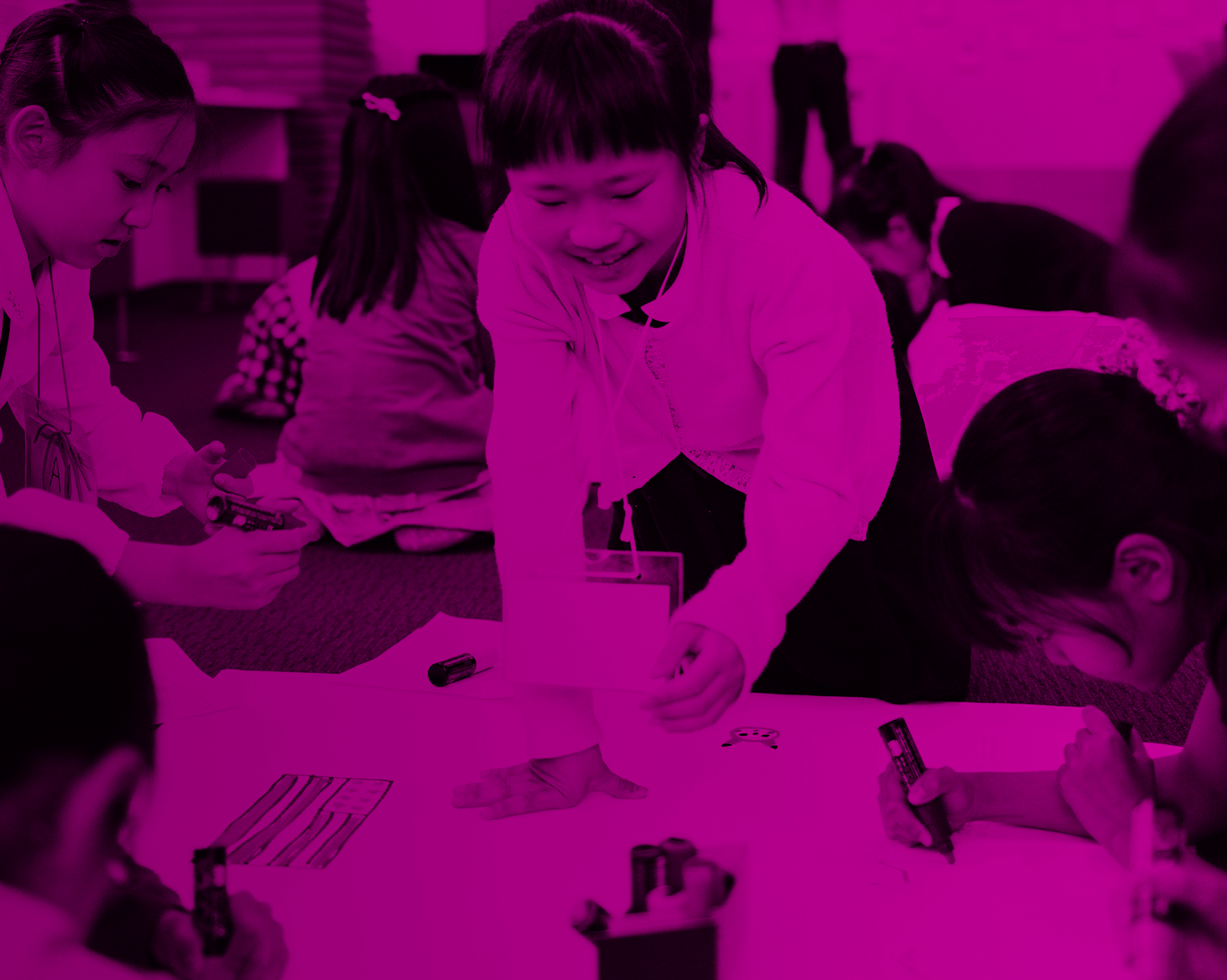
In classrooms, Share Start follows a simple yet flexible cycle: pre-learning, peer collaboration, teacher facilitation, and reflection. Students read or prepare individually, work with peers to summarise ideas, and engage in whole-class discussion guided by the teacher’s questioning. The structure helps students develop communication, reasoning, and autonomy.
For teachers, Share Start unfolds through collaborative professional learning communities. Teachers co-plan lessons, observe each other, adapt materials, and share insights across schools. Open classrooms, cross-district workshops, and online sharing allow the model to evolve continuously.
Because Share Start is not a scripted programme, teachers modify it based on student needs, subject demands, and local culture. It functions as an adaptive professional ecosystem sustained through relationships, shared practice, and ongoing self-organisation. This makes it accessible to both urban and rural schools, novice and experienced teachers, and diverse teaching contexts.
Share Start has grown organically from one classroom to thousands of teachers across Taiwan. Over the past two years, the model has spread through volunteer-run workshops, open classrooms, and cross-school mentoring networks. Teachers report stronger professional identity, clearer instructional routines, and improved student engagement.
The innovation continues to evolve as teachers share materials through social media and informal communities. In the next 2–3 years, the goal is to strengthen cross-district collaboration, expand support for novice teachers, and document more classroom cases using a complexity-informed lens. The movement aims to sustain itself through community leadership rather than external funding or top-down programmes.
Modifications arise organically as teachers adapt the routines to their subject, classroom conditions, and student groups. Over time, teachers have developed new summarisation formats, discussion structures, reflection sheets, and co-planning protocols. These additions emerge through self-organisation within professional learning communities, allowing the model to evolve as a complex, adaptive system rather than a static method.
Start with a simple cycle: prepare short pre-learning materials, introduce summarisation routines, and create small peer-learning groups. Begin with one lesson and refine it. Join or form a small PLC to share materials and observe each other. Use open classrooms or online sharing to learn from others. The model requires no technology or funding—just willingness to collaborate and iterate.