Cookie preferences

HundrED uses cookies to enhance user experiences, to personalise content, and analyse our web traffic. By clicking "Accept all" you agree to the use of all cookies, including marketing cookies that may help us deliver personalised marketing content to users. By selecting "Accept necessary" only essential cookies, such as those needed for basic functionality and internal analytics, will be enabled.
For more details, please review our Cookie Policy.
Accept all
Accept necessary
search
clear

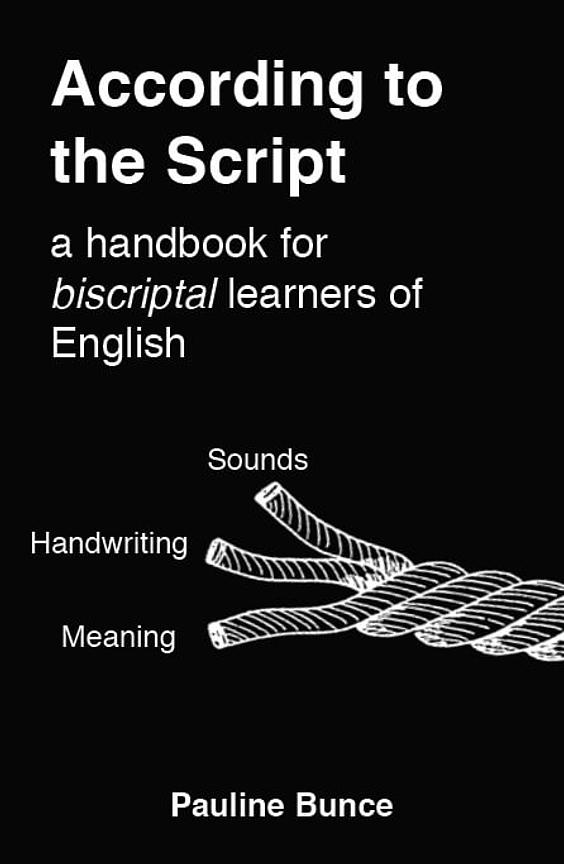
A Handbook: for Biscriptal English Learners: "According to the Script"

New approaches in English language instruction for learners coming from non-alphabetic writing systems.

The majority of new learners of English today are coming from parts of the world that do not use the Roman alphabetic script. A new approach to the teaching of English as an Additional Language is required - one that does not merely assume alphabetic skills.

Overview

Information on this page is provided by the innovator and has not been evaluated by HundrED.

Updated July 2018

2011

Established

1

Countries
Todos os alunos
Target group

About the innovation

Biscriptal learners of English

What's involved in acquiring a second writing system?

This is a challenge, and it is being faced by a majority of today's new learners of English. These are the learners who are coming into our alphabetic script from very different writing systems - Chinese, Arabic, Burmese, Thai, Khmer, Hindi, Tamil, Bengali, Ge'ez etc.

What do they need to (re-)learn?

1. the formation of the letters and numerals - handwriting - the 'stroke order' of English letters and numbers

2. the sound system of the English alphabet - via phonemic awareness and phonics instruction

3. the ways in which English words are formed - word families, word roots, word origins, grammatical additions

Similar innovations

Sign up for our newsletter

Don’t miss news and opportunities to engage with HundrED