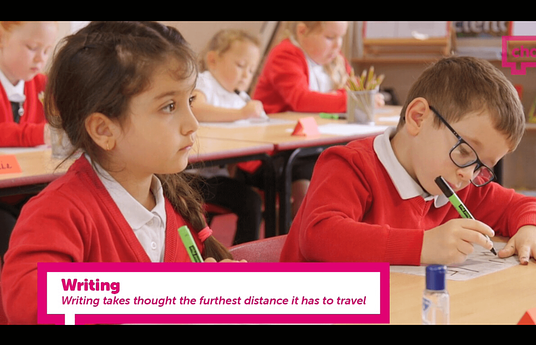
We created Believe in Kindness – The BIK Bibliotherapy Method in response to a profound and urgent reality: thousands of students and teachers across Peru, especially in rural, Andean, and Amazonian communities, face daily emotional adversity that remains invisible to the traditional education system. Many schools confront high levels of violence, bullying, anxiety, and grief, often without access to psychological support or wellbeing programs. Teachers feel overwhelmed, students feel unseen, and communities struggle to heal from social and generational wounds.
BIK was born to offer a compassionate, science-based solution that any educator can use, regardless of resources. By integrating neurobiology, positive psychology, SEL, and guided storytelling, BIK transforms books into mirrors that help learners process emotions, build empathy, and develop prosocial behaviors. We created this innovation because kindness is not a soft skill; it's a protective factor that strengthens mental health, improves relationships, and enhances learning outcomes.
Our goal was to democratize emotional wellbeing, bringing tools of healing and connection to places where support rarely arrives. BIK empowers teachers as leaders of emotional transformation and helps students recognize their own agency to create safer, more compassionate communities. We created this innovation because every child, no matter where they live, deserves to feel seen, valued, and capable of shaping a kinder society.
In practice, BIK unfolds as a structured, human-centered learning experience that transforms school communities, especially in regions where emotional support is scarce, teacher burnout is high, and violence or social isolation often go unaddressed. Each implementation begins by training teachers through our Bibliotherapy BIK Method, integrating neuroscience, positive psychology, and socioemotional learning into simple, accessible classroom routines.
Teachers receive curated BIK Book Collections and guided lesson plans that help students explore emotions, build empathy, and practice kindness through storytelling, reflection, and dialogue. Activities such as “Acts of Daily Kindness,” emotional check-ins, breathing practices, and group reflections create great moments of safety that strengthen relationships and improve classroom climate.
Weekly BIK circles allow students to process challenges, strengthen their voice, and connect their stories with others. In remote communities, these spaces often become the only structured environment where children can talk about fear, discrimination, or dreams for the future.
We complement this with ongoing coaching, digital microlearning, and community engagement sessions that bring families into the process, reinforcing shared values of respect, empathy, and prosocial behavior.
Through these, the BIK approach turns kindness into a practical, daily habit, making wellbeing, empathy, and positive social change accessible to every learner.
BIK has grown through an evidence-driven, community-centered expansion strategy rooted in the realities of the Global South. Its spread began organically in public schools across the Andes and Amazon, where teachers sought practical tools to address rising socioemotional needs. Word-of-mouth among educators, early impact stories, and the emotional resonance of kindness-based learning accelerated adoption.
A pivotal catalyst has been our partnership with the Ministry of Education of Peru, which recognized BIK’s contribution to strengthening school climate, mental health, and professional development. Through national training programs, BIK has reached specialists and school leaders in all regions, creating a multiplier effect as certified educators replicate the model within their communities.
Our collaboration with universities, regional education offices, and local governments further supports sustainable scale. BIK spreads not by imposing a model, but by empowering educators with adaptable tools—books, bibliotherapy techniques, SEL strategies, and kindness-based rituals that fit diverse cultural contexts.
Social media campaigns, teacher networks, and open access materials have enabled rapid outreach, while ongoing research and monitoring provide credibility and reinforce trust. BIK’s growth continues as schools witness clear improvements in empathy, cooperation, and student wellbeing, encouraging more communities to adopt and champion the methodology.
We continuously refine Believe in Kindness – The BIK Bibliotherapy Method to respond to the evolving realities of learners and educators across the Global South. Over time, we have strengthened the model through a deeper integration of neurobiological research, positive psychology, and trauma-informed SEL strategies to better address the emotional needs present in rural, Andean, and Amazonian schools, where students often face adversity and limited access to mental-health support.
We have also expanded implementation pathways through stronger partnerships, particularly with the Ministry of Education of Peru, enabling large-scale training, official recognition, and sustained teacher support networks. This collaboration has helped us align the innovation with national priorities, enhance monitoring systems, and co-design new modules for school coexistence and educator wellbeing.
As a result, BIK has evolved into a flexible, scalable, and community-centered model that grows with the needs of the schools we serve—while remaining faithful to its core purpose: transforming education through the science and practice of kindness.
To try the BIK Bibliotherapy Method, you can begin by accessing our introductory training pathway, designed to help educators experience how kindness-centered socioemotional learning transforms school communities. We invite schools, ministries, NGOs, and teachers to start with a short immersion workshop where they learn the core pillars of neurobiology, positive psychology, and guided reading for emotional healing.
From there, we support you with practical toolkits, story-based sessions, and ready-to-use activities that allow any educator, even in low-resource rural, Andean, or Amazonian contexts, to implement the method immediately. The program does not require technology, only the commitment to create safe, compassionate spaces for students.
You may also join our community of practice, where educators from Peru and across the Global South exchange their experiences in bringing kindness, empathy, and emotional literacy into classrooms facing adversity and inequality. Many teachers share how BIK helped them rebuild trust after school violence, strengthen student self-esteem, and cultivate peaceful environments where children feel seen, valued, and capable of change.
To start, simply reach out to the BIK Foundation. We will guide you step by step, provide the training pathway that fits your context, and accompany you as you implement and adapt the methodology. Every school, no matter how remote, can become a beacon of kindness. You just have to begin.