I created Youth Climate Action Network because climate change is increasingly affecting our communities through drought, environmental degradation, poor waste management, and loss of livelihoods. Despite being the generation most impacted by these challenges, many young people lack opportunities, knowledge, and platforms to actively participate in climate solutions.
I saw the need to empower youth to move from awareness to action by creating a network where they can learn, collaborate, and lead practical environmental initiatives. Through this innovation, young people are equipped to plant trees, promote sustainable practices, educate communities, and become climate champions.
The goal is to ensure that youth are not just victims of climate change, but leaders in building a greener and more sustainable future.
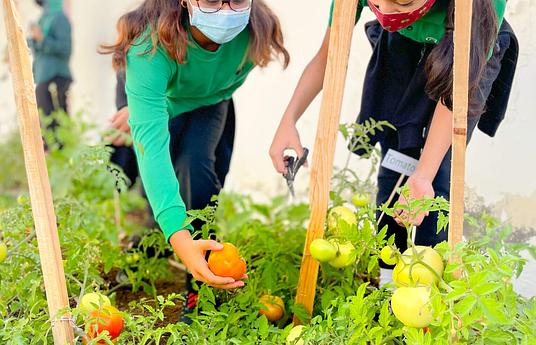
In practice, Youth Climate Action Network operates as a community-based and youth-led platform that mobilizes young people to take direct climate action. We organize tree planting drives, environmental clean-up campaigns, waste recycling initiatives, and climate awareness sessions in schools and local communities.
The innovation also provides training workshops where youth learn about climate change, leadership, entrepreneurship, and sustainable practices such as waste management and climate-smart agriculture. Through digital platforms and social media, we share educational content, success stories, and opportunities for collaboration.
Young people work together in teams to identify local environmental challenges and design practical solutions that create visible impact. This makes climate action more accessible, hands-on, and sustainable while building a network of empowered youth leaders.
outh Climate Action Network has been spreading through community engagement, youth outreach programs, partnerships, and digital awareness campaigns. We began by mobilizing young people within local communities through environmental activities such as tree planting, clean-up drives, and climate education sessions.
As participants experienced the impact of these activities, they shared their experiences with peers, helping the network grow through word of mouth. Social media platforms have also played a key role by sharing success stories, educational content, and opportunities for others to join.
In addition, collaboration with schools, community groups, and local organizations has helped us reach more young people and expand our climate action initiatives to new areas. This grassroots approach continues to build momentum and inspire more youth to participate
We have continuously improved Youth Climate Action Network by expanding our activities beyond basic environmental awareness to more practical and sustainable solutions. Initially, the focus was mainly on tree planting and clean-up campaigns, but we later added youth training in climate leadership, waste recycling, entrepreneurship, and climate-smart agriculture.
We also introduced digital outreach through social media to share climate education, success stories, and opportunities for youth engagement. This has helped us reach a wider audience and attract more participants.
In addition, we have strengthened collaboration with schools, community groups, and local partners to increase impact and sustainability. These modifications have made the innovation more practical, inclusive, and better equipped to address changing community climate needs.
If you want to try Youth Climate Action Network, the first step is to join or form a local youth group that is passionate about environmental conservation and climate action. Start by identifying climate challenges in your community, such as poor waste management, deforestation, or low environmental awareness.
Next, organize simple practical activities like tree planting, community clean-up exercises, recycling projects, or climate awareness sessions in schools and public spaces. You can also use social media to educate others, share progress, and invite more young people to participate.
We also encourage members to attend training sessions on climate leadership, entrepreneurship, and sustainable practices so they can create long-term solutions. The key is to start small, involve others, and grow collective action for a sustainable future.