Our innovation, Tree for Future Program, was created to address the increasing environmental challenges such as deforestation, air pollution, and climate change. In many areas, especially in developing communities, the number of trees is decreasing due to urbanization and lack of awareness. This has resulted in poor air quality, rising temperatures, and negative impacts on both human health and the environment. We realized that there is a strong need for practical and community-based solutions to restore green spaces and promote environmental sustainability.
The main idea behind this innovation is to encourage people, especially young individuals, students, and local communities, to take part in tree plantation activities. The program focuses not only on planting trees but also on ensuring their proper care and growth. Many plantation efforts fail because trees are planted but not maintained. Therefore, this program promotes responsibility by encouraging participants to take care of the trees they plant, including watering, protecting, and monitoring their growth over time.
We created this innovation to build awareness and inspire action at the grassroots level. Instead of depending only on large organizations or governments, this program empowers individuals and communities to contribute to environmental protection in a simple and effective way. It is designed to be easy to implement in schools, colleges.
In practice, the Tree for Future Program is carried out through simple and organized activities in schools, colleges, and local communities. The program starts with awareness sessions where people are informed about the importance of trees and environmental protection.
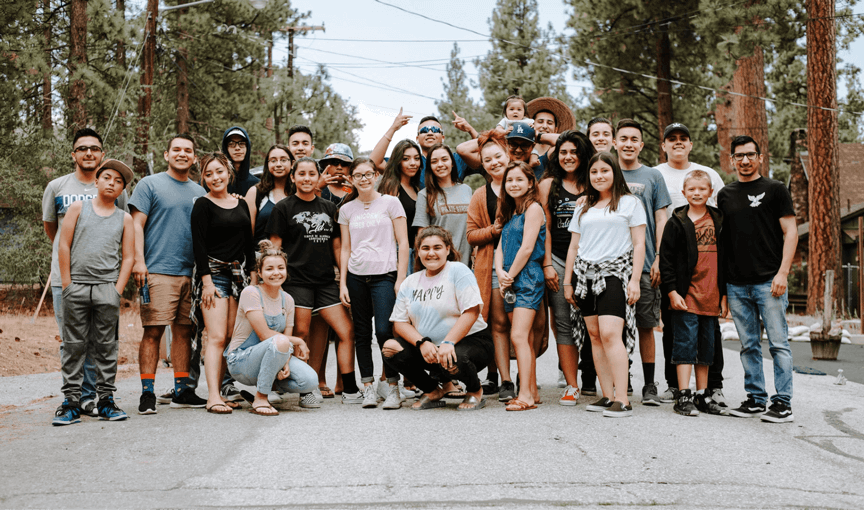
After this, tree plantation activities are organized in places such as schools, parks, and roadsides. Students, volunteers, and community members take part in planting trees together. Each participant is encouraged to take responsibility for at least one tree.
The program also focuses on the care and maintenance of trees. Participants regularly water the plants, protect them, and check their growth. This ensures that the trees grow properly and survive for a long time.
In addition, teachers, local leaders, and youth groups are involved to support and guide the activities. Small campaigns and events are arranged to keep people motivated and engaged.
Overall, the program works as a continuous process of awareness, planting, and care. It helps create a long-term positive impact on the environment and encourages people to take responsibility for a greener future.
The Tree for Future Program has been spreading through community involvement and awareness activities. It started on a small scale within local areas, such as schools and nearby communities, where students and volunteers participated in tree plantation drives.
As people saw the positive impact of the program, more individuals and groups became interested in joining. Participants shared their experiences with others, which helped in increasing awareness and encouraging more people to take part. Teachers, local leaders, and youth groups also supported the program by promoting it within their networks.
The use of social media has also played an important role in spreading the innovation. Photos, videos, and updates of tree plantation activities are shared online, which helps reach a wider audience and inspire others to start similar initiatives in their own areas.
In addition, collaboration with educational institutions and community organizations has helped expand the program to different locations. This has made it easier to involve more participants and organize activities on a larger scale.
Overall, the program is spreading gradually through awareness, community participation, and shared responsibility. Its simple and practical approach makes it easy for others to adopt and implement in different areas, helping it grow over time.
We have continuously improved the Tree for Future Program by learning from our experiences and feedback from participants. At the beginning, the focus was mainly on tree plantation activities. However, we realized that many trees did not survive due to lack of proper care.
To address this, we added a strong focus on maintenance and responsibility. Participants are now encouraged to take ownership of the trees they plant and regularly care for them by watering and protecting them. This has improved the survival rate of the trees.
We have also included awareness sessions to educate people about the importance of environmental protection and the role of trees in reducing pollution and climate change. These sessions help participants better understand the purpose of the program.
In addition, we started involving more community members such as teachers, local leaders, and youth groups to make the program more effective and sustainable. Social media has also been used to share updates and encourage more participation.
These improvements have made the program more organized, impactful, and focused on long-term results rather than short-term activities.
If you want to try the Tree for Future Program, you can start with a few simple steps. First, identify a suitable location such as a school, park, or any open space where trees can be planted safely. Make sure the place has enough space and access to water.
Next, gather a small group of volunteers, such as friends, classmates, or community members, who are interested in helping. You can also involve teachers or local leaders for guidance and support.
After that, arrange basic resources like tree saplings, water, and simple tools. Choose plants that are suitable for your local environment so they can grow easily.
Then, organize a small tree plantation activity where everyone participates in planting trees. During the activity, explain the importance of trees and encourage participants to take responsibility for their plants.
Finally, focus on regular care and follow-up. Water the trees, protect them, and check their growth over time. You can also share your progress with others to inspire more people to join.
By following these simple steps, anyone can start and successfully implement this program in their community and contribute to a greener future.