Teens in AI was created to address unequal access to AI education and empower young people - especially girls and underserved youth in the Global South - to shape the future of technology ethically and responsibly. As AI becomes central to society, millions of adolescents lack the skills, mentorship and opportunities needed to participate in an AI-driven world, widening the digital divide. Launched in 2018 at the UN AI for Good Summit, Teens in AI aims to democratise AI learning and ensure diverse voices influence the technologies shaping their lives.
The initiative goes beyond coding by combining hands-on AI learning with ethics, mentorship and social impact. Through hackathons, workshops, design sprints and online courses, teens identify challenges - education access, gender inequality, health gaps, climate issues - and design AI solutions. This builds critical thinking, creativity, collaboration and leadership alongside ethical awareness.
Teens in AI also counters systemic inequities in STEM by offering inclusive pathways for youth often excluded from digital learning. A global mentor network gives teens role models and career exposure missing from formal schooling. Scalable and adaptable, the model now operates in 100+ countries, enabling diverse adolescents to engage with AI meaningfully.
By preparing youth not just to use technology but to shape it for social good, Teens in AI becomes a catalyst for a more equitable and compassionate future.
Teens in AI operates as a youth-centred learning ecosystem blending AI education, ethics, mentorship and social innovation. Delivered through informal spaces - workshops, hackathons, incubators, design sprints and online communities - it offers flexible, collaborative environments beyond traditional classrooms.
Participants begin with hands-on AI learning, exploring machine learning, data literacy, critical thinking and responsible AI, paired with modules on fairness, inclusion and bias to understand both technical and societal dimensions.
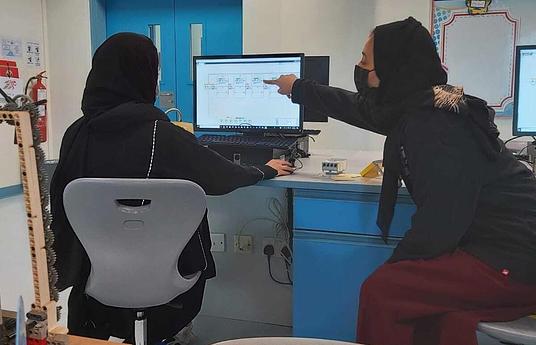
Project-based learning is central. Teens identify local challenges - education gaps, digital access, health, climate or gender issues to name a few - and design AI-driven solutions. Mentors from industry and academia guide them through ideation, prototyping and pitching, grounding learning in real community needs.
The ecosystem is global. Teens connect with peers worldwide, sharing ideas and perspectives, building leadership, teamwork and cross-cultural understanding.
Four flagship programmes deliver this model: the AI4Good Incubator for SDG-aligned solutions; AI Adventures for online, self-paced courses; Teens in Action Forum for expert-led ethical AI discussions; and Global Techathons for collaborative problem-solving.
Through this experiential approach, Teens in AI turns education into a platform for agency, creativity and social impact - empowering young people to become ethical, AI-literate changemakers.
Teens in AI has spread through community-led initiatives, strategic partnerships and accessible digital platforms, reaching young people in 100+ countries. Since its launch at the UN AI for Good Summit in 2018, the model has grown through collaborations with corporates, schools, NGOs, youth groups and governments that run the programme locally.
Its flexible, informal design enables virtual, hybrid or in-person delivery, making it accessible to all including low-resource settings. Digital tools - virtual workshops, online mentorship, webinars and global design sprints - support cross-border collaboration, allowing teens to learn and develop AI solutions regardless of geography.
Partnerships drive growth. Local organisations act as implementation hubs, while Teens in AI provides open-source curricula, facilitator guides and mentor training to ensure quality. A global network of mentors and volunteers accelerates adoption by offering expertise and support.
The initiative is especially impactful in the Global South, addressing STEM inequities and expanding opportunities for girls and underrepresented youth. Visibility through global events, media features and endorsements has increased demand.
Through adaptable delivery, replicable frameworks and strong community partnerships, Teens in AI has grown into a global youth empowerment movement - equipping young people with the skills, ethics and agency to use AI responsibly for social good.
Teens in AI has continually evolved to meet the changing needs of young people and the fast-moving landscape of technology, ethics and education. What began as hands-on AI learning is now a holistic ecosystem combining ethical AI literacy, social impact, leadership development and community innovation - reflecting our belief that technical skills alone are not enough. Young people must also develop critical thinking, agency and ethical awareness to use AI responsibly.
Delivery has expanded from in-person hackathons to virtual, hybrid and in-school formats, enabling participation from diverse socio-economic contexts, including regions with limited STEM access. These flexible models strengthen global peer collaboration, allowing teens to connect and co-create across cultures.
Curricula now include responsible AI, fairness, bias, gender inclusion, sustainability and human-centred design, ensuring learners can address real societal challenges. Mentorship and project incubation have grown too, pairing youth with industry experts and supporting projects beyond prototypes into real impact.
Through four flagship programmes- AI4Good Incubator, AI Adventures, Teens in Action Forum and Global Techathons - Teens in AI delivers inclusive, scalable learning that builds leadership, ethical reflection and global collaboration. The initiative continues to expand its reach and inspire young people to shape a more inclusive and equitable future.
You can try Teens in AI programmes via www.teensinai.com or enrol on our AI Adventures platform to experience how a course is delivered. Information about our flagship International Women’s Day Global Techathon and AI4Good Incubator, including themes and programme flow, is available online, with educators receiving step-by-step guides for in-school delivery. All opportunities outline eligibility, timelines and registration.
Participants register through an online form and can join global hackathons, design sprints, workshops, bootcamps or self-paced courses open to teens aged 12-18, as well as educators and community mentors. Once registered, they join local in-person or virtual sessions that begin with foundational AI learning and ethics, then move into project-based labs where teens identify problems, design AI solutions and receive guidance from trained mentors.
Participants also gain access to our global peer network to collaborate, share ideas and showcase projects through events or pitch sessions. After completing a programme, learners can continue through optional mentorship, extra resources and opportunities to further develop their projects. All participants join our Alumni Community, with those aged 16+ invited to our LinkedIn network.
By following these steps, anyone can experience Teens in AI and gain AI skills, ethical awareness, leadership capacity and the chance to create meaningful social impact.