We created SELution to respond to a deep and urgent gap in education for underserved communities. In many rural and marginalized areas, children, youth, and women are eager to learn but face systemic barriers: classrooms lack resources, teaching methods are often abstract and exam-driven, and technology access is limited or nonexistent. As a result, learners struggle to master foundational literacy and numeracy, and they miss the chance to develop the broader skills confidence, problem-solving, collaboration, and resilience that are essential for life and work in the 21st century.
SELution was born from the belief that every learner, regardless of background, deserves joyful, relevant, and empowering learning opportunities. By combining manipulatives, project-based learning, social-emotional development, and unplugged coding, SELution makes learning tangible, playful, and meaningful. Learners see, touch, and build what they are learning, transforming abstract ideas into real skills they can use.
We also recognized the need for a solution that could work in the most resource-constrained environments. That’s why SELution integrates locally made, low-cost manipulatives with solar-powered tablets and offline Kolibri for scale, ensuring continuity even in off-grid settings. This balance of tactile play and digital support makes the innovation both accessible and future-ready.
Ultimately, we created SELution to restore dignity and agency in learning. It is more than a tool it is
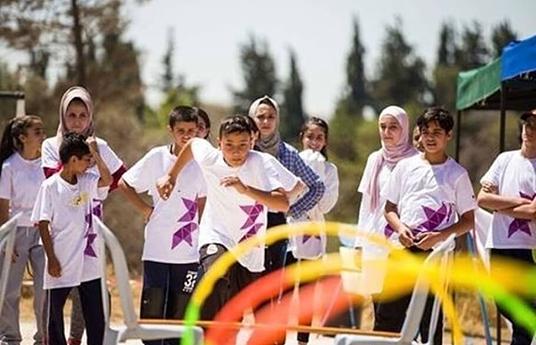
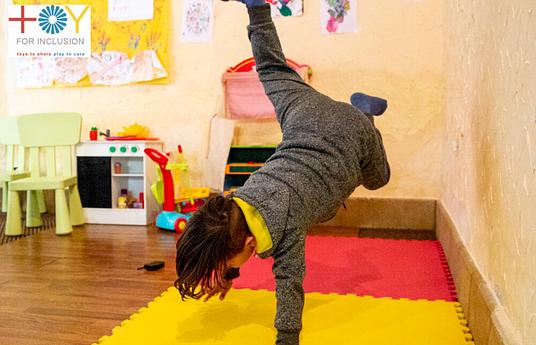
In practice, SELution transforms classrooms and community spaces into vibrant hubs of playful, hands-on learning. A typical session begins with learners using manipulatives locally crafted Six Bricks, beads, or recycled materials to explore foundational numeracy and literacy. For example, children might build word families with color-coded bricks, or practice math by grouping, stacking, and comparing objects. These tactile activities make abstract concepts visible, accessible, and fun.
Next, learners transition into unplugged coding, where they act out algorithms, use grid maps, or design “if/then” sequences with cards and arrows. Without relying on computers, they begin to understand coding logic, sequencing, and problem-solving. These activities nurture critical thinking, creativity, and collaboration while strengthening digital readiness.
Teachers guide the sessions as facilitators, encouraging curiosity, peer-to-peer learning, and self-expression. Learners work in teams, celebrate small wins, and apply their skills to real-world challenges for instance, designing simple recycling systems or mapping safe routes to school.
In resource-rich spaces, solar-powered tablets and offline Kolibri extend the learning, reinforcing concepts with interactive exercises. In low-resource settings, the manipulatives and unplugged activities stand strong on their own, ensuring no learner is left behind.
SELution has been spreading organically through teacher networks, partnerships, and word of mouth. We began by piloting in underserved schools and community centers, co-creating activities with teachers and learners. The visible impact improved collaboration, confidence, and problem-solving sparked curiosity among educators, who quickly began sharing the approach with peers.
Through training-of-trainers (TOT) workshops, teachers have become ambassadors of the model, adapting it with local resources and integrating manipulatives and unplugged coding into their own classrooms. Partnerships with NGOs, EdTech hubs, and government stakeholders have also accelerated growth, as SELution aligns with the Competency-Based Curriculum (CBC) and national goals for digital literacy and socio-emotional development.
We leverage low-tech tools like WhatsApp groups, community radio, and teacher forums to spread activities and lesson ideas in simple, practical formats. Offline-friendly platforms such as Kolibri extend the reach where internet access is limited.
The model’s flexibility has fueled its spread: schools with computers can integrate digital reinforcement, while those without still benefit from bricks, cards, and play-based unplugged coding. Communities have also embraced the use of recycled materials as manipulatives, making the approach sustainable and scalable.
We can provide a practical and hands-on demonstrations