We created Play to Learn to address the urgent need for engaging, inclusive, and holistic education in Uganda’s underserved schools. Many children face overcrowded classrooms, undertrained teachers, and a lack of physical activity—leading to poor academic performance and well-being. PEEL was born to make learning active, joyful, and accessible to every child, especially girls.
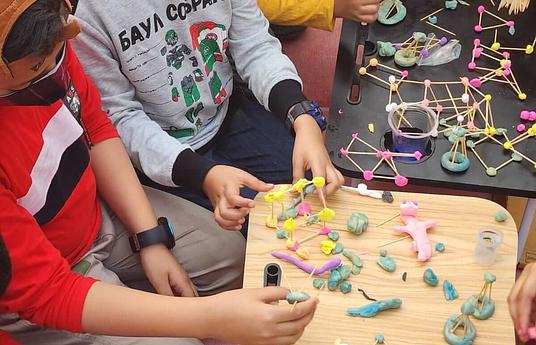
In practice, Play to Learn (P2L) turns schoolyards into interactive learning spaces where physical activities support literacy, numeracy, and social-emotional learning. Trained teachers and coaches lead structured play-based sessions aligned with the curriculum. For example, students solve math problems through relay games or explore language through movement-based storytelling. Each session is inclusive, ensuring full participation of girls and children with disabilities. Teachers receive regular training and mentorship to use the P2L toolkit effectively. Sessions end with reflection to reinforce teamwork, empathy, and leadership. P2L also organizes inter-school play festivals to celebrate learning through play, encourage peer exchange, and strengthen community engagement. The approach is low-cost, adaptable, and designed to improve engagement, attendance, and learning outcomes in underserved schools.
Play to Learn - P2L was piloted in one school in Kampala, where teachers were trained to deliver play-based learning sessions. Based on positive feedback and improved student engagement, we scaled to full implementation, reaching over 500 students. The program's success generated interest from nearby schools and community leaders. We’ve shared the model through local education forums, school visits, and inter-school play festivals. Our train-the-trainer approach supports sustainable scale by building local capacity. P2L is now gaining attention from education partners exploring its use in other underserved or crisis-affected settings.
To try Play to Learn, start with our free, open-source manual of games—simple, fun activities that build learning and life skills. It’s designed for teachers and community educators using everyday materials. We also offer training and mentorship to support implementation. Contact us to access the manual and explore partnership options.