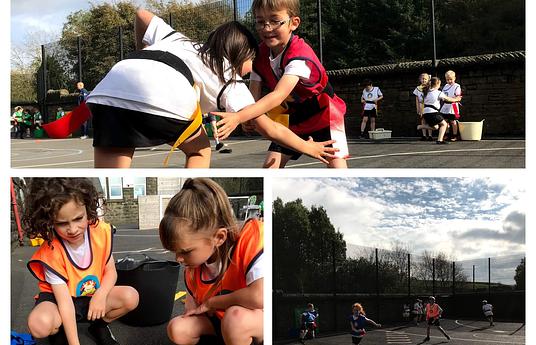
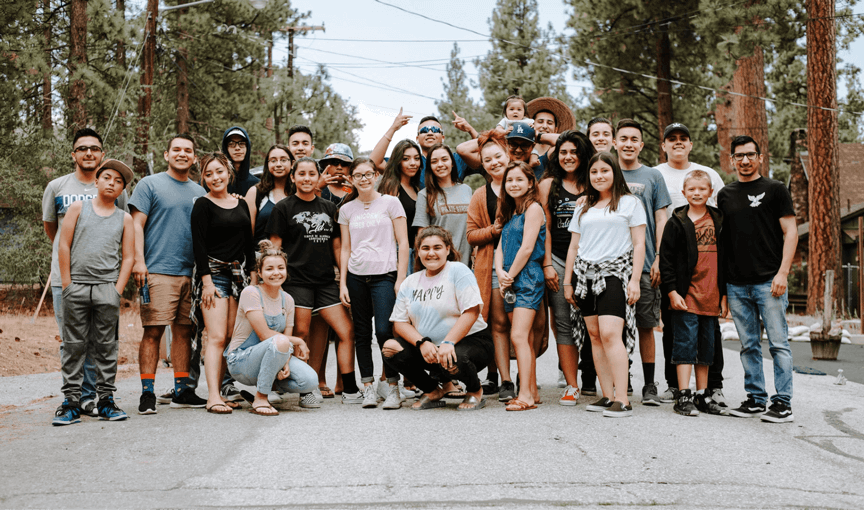
We created the Gym and Tracker for Mental Health in response to a critical gap we witnessed while working with children and youth from De-Notified and Nomadic Tribal communities,communities historically labeled as “criminal,” exposed to intergenerational trauma, violence, instability, and deep social exclusion. In these contexts, mental health challenges are widespread, yet conversations around emotions are silenced and preventive mental health care is almost entirely absent.
Over years of community engagement, we observed children showing signs of anxiety, withdrawal, aggression, and emotional numbness. However, they rarely spoke about how they felt, and conventional counselling models often failed,due to stigma, lack of access, cost, and cultural mismatch. Mental health support, when available, was reactive and crisis-driven, rather than preventive and empowering.
We realized that children did not need a system that only “fixes” problems once they become severe. They needed an everyday ecosystem to build emotional strength, long before distress turns into illness. This led to the idea of treating mental health like physical fitness something that can be practiced, tracked, and strengthened daily.
We began with art, music, and drama-based preventive therapy sessions facilitated by trained community mental health workers, creating safe, non-clinical spaces for expression. Alongside this, we developed a simple, gamified mental health tracker that helps children reflect.
In practice, the Gym and Tracker for Mental Health prevention functions as a joyful, community-embedded program where children and youth build emotional resilience through daily mental fitness routines, much like exercising in a physical gym.
The innovation operates through two integrated components:
1. Mental Fitness Sessions (School and Community-Based)
Children gather in safe spaces within schools or community centers for weekly, facilitator-led group sessions designed to normalize emotional expression and build core life skills. These sessions use creative, culturally adaptable approaches, including:
- Art therapy: Drawing emotions, visual journaling, and emotion mapping
- Music therapy: Singing, Drum circle, rhythm work, sound-based calming exercises
- Drama & play therapy: Role-play, skits, storytelling, and improvisation
- Movement & breathwork: Dance, yoga, grounding, and regulation exercises
Sessions are structured, yet playful—helping children build self-awareness, empathy, confidence, emotional regulation, and communication skills in an inclusive, non-clinical environment.
2. Mental Health Tracker (Digital or Paper-Based)
Each participant uses a simple Mental Health Tracker, either in journal form or via a mobile app to reflect on daily well-being indicators, such as:
- Sleep quality
- Screen time
- Nutrition and water intake
- Emotional state and energy levels
- Gratitude and positive moments
- Sharing or connection with others
The Gym and Tracker for Mental Health began as a pilot within Ashraya’s education and mental well-being programs in two De-Notified and Nomadic Tribal communities. Early results,improved emotional expression, reduced behavioral issues, and strong engagement from children, parents, and teachers—created sustained demand for expansion.
The innovation has since spread through multiple pathways:
1. School Adoption and Teacher Training
Teachers who observed the program requested support to integrate mental fitness routines into classrooms. Ashraya now conducts structured workshops enabling educators to deliver creative therapy sessions and use mental health tracking tools as part of daily school practice.
2. Community-Led Expansion
Positive feedback from parents, particularly around reduced aggression, improved focus, and healthier communication, led to organic expansion into six additional communities, driven by community trust and ownership.
3. NGO Partnerships
Local NGOs and community organizations have begun adopting the model after receiving facilitator training and localized toolkits from Ashraya, embedding the approach within existing education and youth programs.
4. Youth-Led Mental Health Clubs
Adolescents initiated peer-led mental health clubs, creating safe spaces for sharing and reflection.
5. Digital and Systems Expansion
Building on successful paper-based tracking, Ashraya is developing a digital Mental HealthTracker prototype to enable wider, low-cost adoption.
We have continuously evolved the Gym and Tracker for Mental Health based on community feedback, pilot evidence, and expert guidance to strengthen impact, scalability, and cultural relevance.
1. From Paper Journals to Digital Readiness
The innovation began with daily paper-based journaling, where children tracked emotions, sleep, nutrition, hydration, screen time, gratitude, and social connection. Strong engagement and behavior change validated this low-tech approach. Building on these insights, we are now planning to develop a mobile-based Mental Health Tracker, designed to integrate AI-driven insights, trend analysis, and gamified nudges while remaining accessible for low-resource settings.
2. Formalization of Creative Therapies
What started as volunteer-led art, music, and drama activities has evolved into a structured weekly preventive mental health curriculum, co-created with certified therapists and adapted to local cultural contexts. This shift improved consistency, quality, and replicability across communities.
3. Evidence and Measurement Strengthening
We introduced baseline and endline well-being assessments and session-level monitoring, enabling us to track changes in emotional regulation, self-expression, peer interaction, and routine-building through anonymized data.
4. Peer-Led Support Systems
Responding to youth feedback, we added peer support circles, training adolescents as facilitators to lead safe check-ins and reflections.
If you want to try this innovation, it's simple and flexible to get started:
1. Start with the Well-being Tracker Journal:
Begin by using our Mental Health Tracker template, which helps individuals reflect daily on their emotional well-being, sleep quality, screen time, nutrition, hydration, and social connections. We can share a printable or digital version to get started immediately, this works great in schools, youth groups, or even at home.
2. Access the Therapy Toolkit:
You can request our starter toolkit which includes activities from our art, music, and drama therapy modules. These are easy-to-follow guides created by trained mental health professionals and adapted for non-specialist facilitators like teachers or youth leaders.
3. Join or Start a Pilot:
If you represent an organization or school, we can help you pilot the full program, including support circles, tracking tools, and curated group therapy sessions. We provide orientation, materials, and remote support to help you implement it in your context.
4. Partner with Us on the App Rollout:
As we build our mobile app, we’re looking for partners (schools, nonprofits, educators, mental health professionals) to test early versions and co-develop content suited to different regions and cultures. Let us know if you’d like to collaborate!
Just reach out to us at ashrayainitiative.org and we’ll help you customize the approach for your setting.