We created Data4Climate Action to address the urgent need for learners and teachers in Uganda and the Global South to engage meaningfully with climate challenges while valuing indigenous knowledge. Many education systems overlook local wisdom and fail to equip learners with the data and problem-solving skills needed for real-world solutions. Our innovation bridges data literacy and traditional ecological knowledge, empowering learners to design community-based projects that promote climate resilience, social justice, peace, and inclusivity. By doing so, we transform education into a tool for societal change, equipping young people and educators to act as informed, capable, and responsible change agents in their communities.
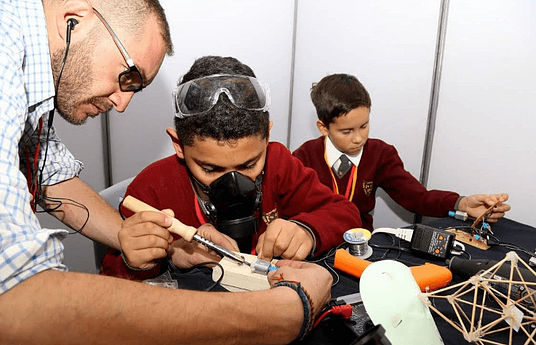
In practice, Data4Climate Action combines hands-on projects with blended learning to connect climate data and indigenous knowledge. Learners and teachers collect local environmental data on issues such as water access, environmental conservation, reforestation, or soil health, and analyze it using digital tools. They then integrate traditional practices like seasonal calendars, community conservation, agriculture, and conflict resolution methods into actionable community projects.
Projects may include tree planting, water conservation campaigns, waste management awareness, or community workshops where the youth share findings and solutions. Teachers receive professional development in inclusive, data driven education, while extracurricular activities and community workshops ensure elders and youth collaborate and exchange knowledge. The innovation emphasizes gender equity and inclusion, giving girls and marginalized youth leadership roles in project design and implementation.
Through these activities, education moves beyond the classroom to generate tangible societal impact, promoting climate resilience, social justice, peace, and unity, while empowering learners to become agents of change.
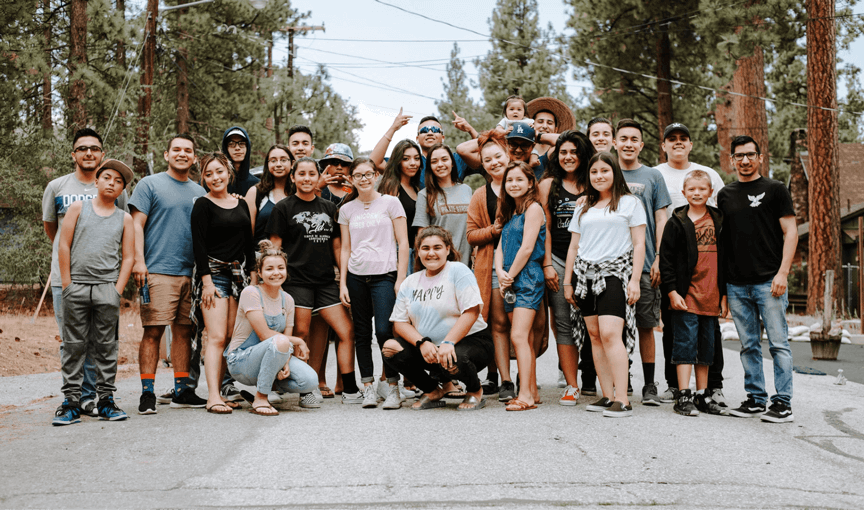
Data4Climate Action has been spreading organically through collaboration, storytelling, and knowledge exchange across schools and communities in Uganda specifically the mountainous Rwenzori region. What began as a pilot in a few schools has grown into a movement where teachers, learners, and community leaders co-create and share climate and social justice projects. Trained teachers introduce project-based learning in their classrooms and mentor others, while student climate clubs document their work through digital storytelling, data dashboards, and local exhibitions.
Community workshops connect youth with elders to integrate indigenous wisdom into climate solutions, inspiring new partnerships with local councils, NGOs, and educational institutions. The use of open data platforms and digital programs allows materials, success stories, and toolkits to be shared widely online, encouraging replication across districts. Social media and educator networks further amplify impact, linking schools and youth-led organizations interested in data-driven environmental education.
Through this peer-to-peer model and blended learning approach, Data4Climate Action continues to expand—building a growing community of educators and learners across the Global South who view education not only as learning but as a catalyst for societal change.
Data4Climate Action has evolved in response to community feedback, technological advances, and the diverse learning needs of participants. Initially focused on introducing climate data literacy to schools, the innovation has expanded to include indigenous knowledge integration, ensuring that local knowledge and cultural practices are recognized as valuable data sources for environmental decision-making.
We also introduced a blended learning model, combining in-person workshops with digital tools and open data platforms to enhance accessibility for rural schools. To strengthen inclusivity, we developed modules that prioritize gender equity and youth leadership, enabling girls and marginalized learners to take active roles in climate action projects.
Furthermore, teacher professional development was added to ensure sustainability—educators are now trained in data analysis, participatory teaching methods, and culturally responsive pedagogy. A new monitoring component was also integrated, allowing schools to track progress through community reports and digital dashboards.
These adaptations have transformed Data4Climate Action from a pilot initiative into a flexible, scalable model that can be tailored to different contexts across the Global South while maintaining its core mission: empowering learners and educators to drive societal change through climate education rooted in both data and tradition.
To try Data4Climate Action, start by selecting a community, school, or youth group interested in linking data skills with climate education. You can access our open-source learning toolkit, which includes lesson plans, training guides, and templates for community data collection and analysis. The toolkit can be implemented in three simple steps:
Engage and Learn – Begin with our orientation sessions or digital modules that introduce data-driven climate education and indigenous environmental knowledge.
Co-create and Act – Facilitate a project-based activity where learners identify a local environmental challenge, gather relevant data, and integrate traditional insights to design solutions.
Share and Reflect – Upload findings to our online platform or present them in community dialogues to encourage peer learning and cross-community exchange.
We also provide mentorship and support through our network of educators, climate activists, and data experts who guide new adopters through every stage. All materials are adaptable to different contexts, from urban schools to rural learning hubs, ensuring inclusivity and local relevance.
Interested participants can reach out through our email: shoshannah2023@gmail.com to access resources, training opportunities, and join our growing Data4Climate Action community dedicated to transforming education for a sustainable, data-informed future.

%20(2)%20(1).jpg)