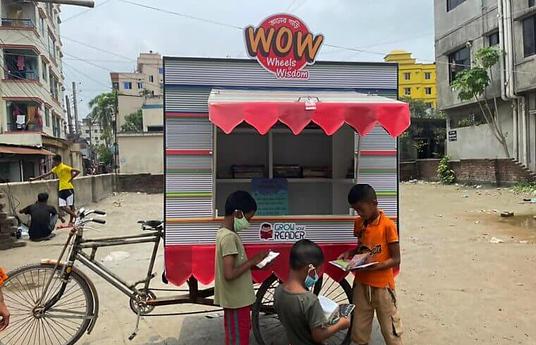
I created Adopt a Problem because I noticed how most students study to pass exams, not to solve real-life issues. Schools often focus on memorization instead of imagination. I wanted to build a bridge between education and real-world impact — where students could use what they learn to bring change in their communities. Many social, environmental, and economic challenges in countries like Pakistan need young minds and fresh ideas. This innovation was born from the belief that students, when given ownership of a problem, can become powerful agents of change. Adopt a Problem inspires critical thinking, collaboration, and creativity by encouraging every learner to pick one issue and solve it — step by step.
In practice, Adopt a Problem works like a project-based learning model within schools. Each student or small group “adopts” a real community problem — such as poor sanitation, food waste, gender inequality, or digital illiteracy. With teacher guidance, they research the issue, brainstorm possible solutions, and create small-scale action plans or prototypes. Schools can host monthly “Problem Showcases” where students present their progress. The process includes workshops on design thinking, teamwork, and presentation skills. It’s hands-on, interdisciplinary, and completely student-led — turning classrooms into incubators of real-world solutions and inspiring a sense of purpose among learners.
Adopt a Problem started as a classroom idea but quickly gained interest from teachers and students who wanted to connect learning with social good. It spreads through schools, youth clubs, and online communities that focus on creativity and civic responsibility. Teachers find it easy to integrate into existing subjects like social studies, science, and economics. Students share their progress through social media, exhibitions, and local community events, inspiring others to replicate the model. The innovation’s flexibility allows any school — regardless of resources — to adapt it in their own way, making it a growing movement for educational change.
Start small! Teachers can begin by asking students one simple question: “What problem in your community would you like to solve?”
Then, let students choose their problem, form small teams, and guide them through these steps:
1. Research the issue.
2. Brainstorm possible solutions.
3. Design a small prototype or plan.
4. Present findings in class or at a school showcase.
Schools can integrate Adopt a Problem into weekly lessons or use it as a yearly project. Anyone can try it with basic classroom resources — the key is encouraging creativity, empathy, and collaboration. You can even connect online with other schools trying the same idea to share success stories and inspire global action.