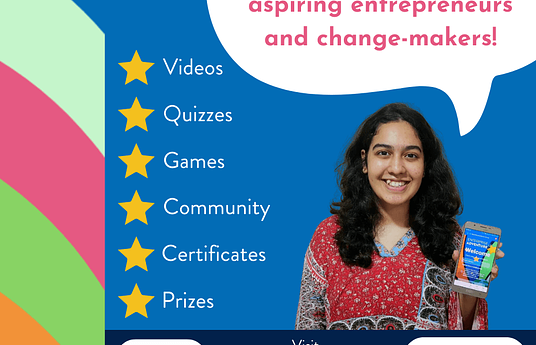
I created StudentSpark: Peer-Led Microlearning for Teens because many young students struggle with traditional, one-size-fits-all learning methods. They often feel bored, disconnected, or overwhelmed. I wanted to build a simple but impactful solution — where teens can learn from each other through short, engaging video lessons made by peers, for peers.
I believe every teenager has the power to be both a teacher and a learner. By giving students the chance to create and share their own microlearning content, I aim to build a learning environment that’s fun, relatable, and empowering. This innovation turns everyday learning into something students enjoy, not just something they’re told to do.
This innovation is currently a conceptual idea developed to empower young students to take part in digital education. Instead of producing videos, the concept focuses on creating visual-based educational content, such as digital posters, infographics, or educational cover art.
In practice, this allows students from around the world to share learning insights, study motivation, and educational messages through social media — even without appearing in front of the camera. It’s an inclusive and accessible way for youth to participate in educational innovation using creativity and visual storytelling.
This innovation is currently in its early phase, primarily shared through digital platforms and youth innovation programs such as HundrED. It has been introduced through visual content (like digital covers) to spark interest among peers and educators in promoting accessible, creative educational materials.
The idea is designed to spread organically by empowering young people to create and share their own educational visuals online. As more students see examples, they are encouraged to contribute, adapt the idea to their own topics, and share through social media, school projects, or youth networks allowing the innovation to grow through peer-to-peer influence.
If you want to try this innovation, start by selecting an educational topic you’re passionate about — such as climate education, mental health, or digital literacy. Then, create a simple visual cover (using free tools like Canva) that highlights key ideas in a creative and engaging way.
You don’t need advanced design skills — just a clear message and a creative spirit. Once created, share your cover on platforms like Instagram, school networks, or youth innovation websites. You can also invite your friends to join by turning it into a youth-led campaign where students exchange educational visuals.
This innovation is open, free to try, and perfect for anyone interested in expressing educational ideas through visuals!
.png)