
HundrED Ambassador Katelyn Patterson from MUSE School in Calabasas, CA shares how she has found success in using innovative practices to form deep understandings of academic skills and standards for primary grades.
My rebel.
He’s a fun, loud, daring, and very charming seven-year-old. He is a natural athlete who likes to play games, get dirty, and compete. He entered this school year with a bundle of energy and very little reading skills. It took bribery and extra playtime for him to even attempt to show me what he could read. After many extra play sessions, soccer games, and puzzles, I discovered my rebel could decode and blend words at a preschool level. He completely hated the idea of reading and books. He intrigued me. How did such a clever and street smart kid function in traditional school with little to no reading skills? I set up a meeting with his mother and checked out his cumulative file. As I explored his cumulative file, I was saddened by what I found. He had come from a traditional school where he participated in regular daily lessons as well as extra pull out services. His folder was filled with remarks about his behavior, lack of focus, and low abilities. He was labelled, judged, and written off. Most of all, he was misunderstood.
This rebel wasn’t looking to disrupt. Instead, he was looking for someone to connect with him, to play with him. I went in to the meeting with his mother with purpose and positivity. Mom is a persister. She is super involved, eager to help, and a real go-getter. She had tried for years to support him learning to read at home. She told me she dreaded second grade because she knew he was behind. She fought with him nightly to read with her. She tried books on tape, games on his iPad, and even having him read with an older sibling. She had exhausted all options.
After all my research, I took a deep breath and decided to start with the basics. My rebel loves soccer, having fun, and was clearly craving connection. Mission accepted. I created a bingo-like letter-sound identification game and printed it on the template of a soccer field. He was instantly interested. My goal was to change his paradigm of reading through games, competition, and wait for it… FUN! To sweeten the deal, I offered my rebel a little external motivation. I would give him one penny for every letter sound he could identify. He was attempting to earn enough classroom money to push me in the pool. Between the buy-in of the soccer field setting and the cold hard pennies, we were in business. We played “sounds soccer,” a lot. While playing one day he asked me, “are we learning yet?” I slyly commented, “Do you think we’re learning?” He laughed, cocked his head, grinned and said, “You can’t trick me. This is way too much fun to be learning.” I smiled and called out the next letter sound. He was hooked. He would beg me each morning to play our sound soccer game. Suddenly, he was giving up free choice time to play a phonics game. I had to stop and pinch myself. He was having so much fun competing and earning money that he would trash-talk throughout the day, confidently exclaiming how badly he was going to beat me at sound soccer. I didn’t mind this one bit. To beat me he would have to master the letter-sounds. After one week of letter-sound soccer, he knew all his letter sounds. He was beginning to take hold of his learning and, little by little, his paradigm of reading was shifting.
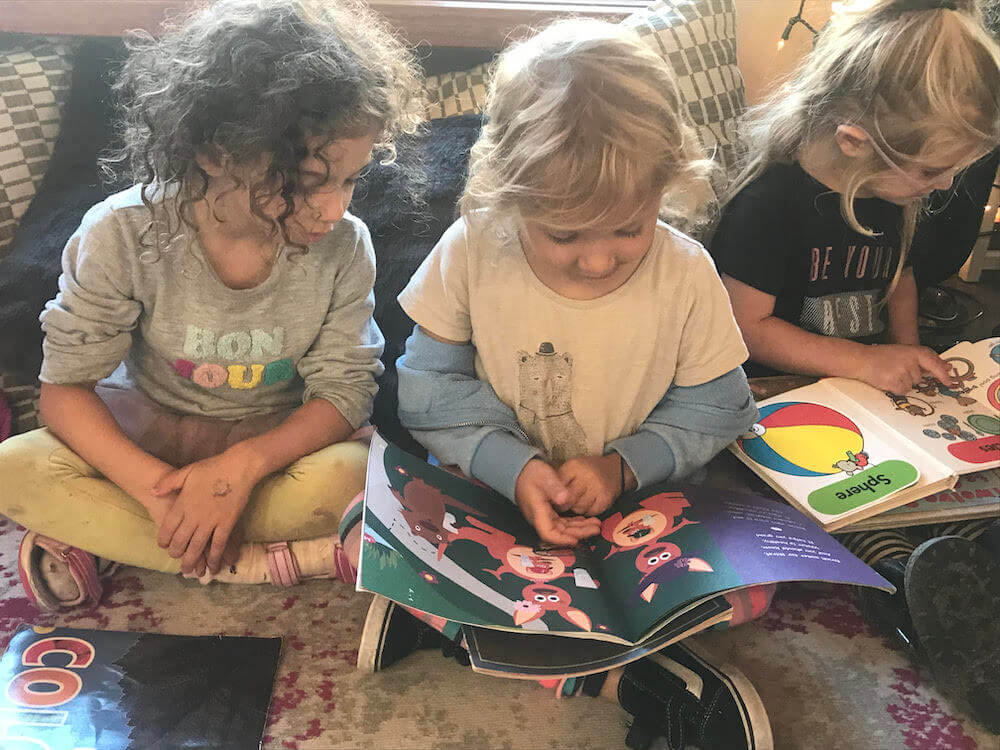
I could tell the pieces of early literacy were falling into place. My rebel was starting to notice signs and labels in our classroom. He would walk around sounding out words. He would stop me at school and ask what the title of a book was or what a word on my water bottle said. He had mastered letter sounds and I was slowly going broke from sound soccer. I wanted to transition him to reading books. I found a book on our class mascot, the polar bear. Our class mascot had recently been chosen and all the students were eager to learn about the giant, furry mammals.
Have I mentioned my rebel likes to compete? He likes to be the best. I set up our first book. He wanted to be able to read the book in order to teach his friends about polar bears. The first day of reading was rough. He was using his letter-sound ability to say the sounds but blending the words together was a whole new challenge. I needed something to keep him engaged. I needed something to keep him connected and motivated. My rebel loves play and having fun. The next day, I brought a wiggly stool for him to sit on while reading. He was thrilled. It was like a giant toy. He would wiggle so much while reading and blending words that I often thought he would fall on the floor. But he didn’t; the movement helped him and gave him laser focus. When words got tough and I could see his confidence faltering, I would throw a challenge his way or use his play channel to make him smile. I can’t tell you how many times I used the word “dude” throughout this process. “Yo dude! Grab your book!” or “Dude, come on. You totally know this word. Say the sounds.” It didn’t matter to me, we were making progress and I would gladly call him “The Dude” if it would help him build his confidence.
A week into reading the polar bear book my rebel shocked me. He asked for a copy of the book to take home. I was stunned. Between soccer practice, skateboarding lessons, drum lab, and the usual seven-year-old fun…would my rebel read at home? Mom assured me it would never happen. Nevertheless, I made a copy of the book and sent it home with a reading log. The next day he came in and boasted that he “destroyed” the polar bear book. I laughed, chalked it up as ten pages of wasted paper, and moved on. However, later that day in reading groups, my rebel was reading. Like, really reading. He was more fluent than I had ever seen him. He was cognizant of the letter sounds and was confident in his blending abilities. He was even aware of his mistakes. He was stopping to correct himself and re-reading with the correct sounds and words. I had tears well up in my eyes. After a few pages of him rocking my world, I stopped him. I said, “ Dude. You are a reader!” He laughed, started wiggling on his stool and replied, “I know. I always was.”
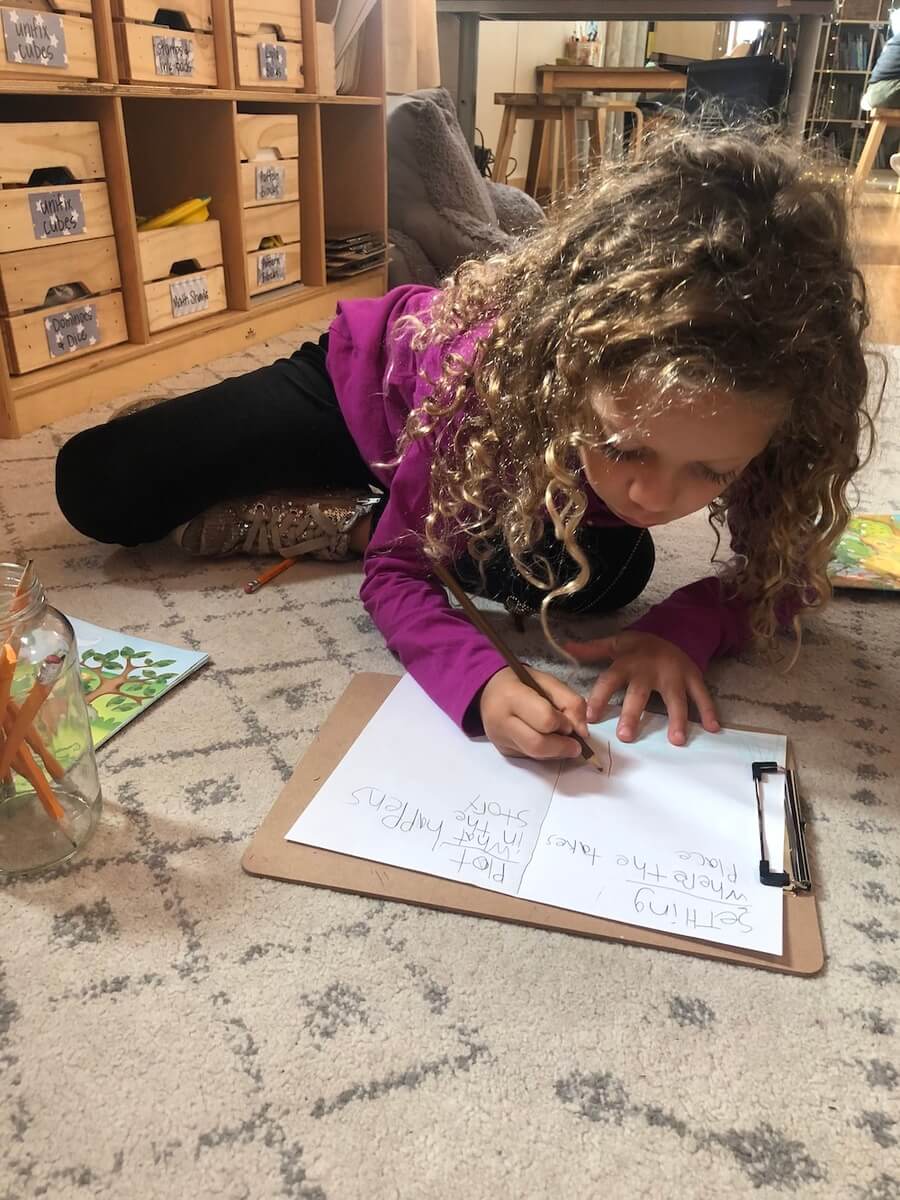
I can now proudly say that my rebel can read. His whole attitude about reading has shifted. He’s the first one to the table for reading groups. He now loves to interrupt me and read the sentence starter for our daily journal. He can confidently read the daily schedule and calendar and looks forward to academic time. And my personal favorite, he has logged 4 books on his independent reading log.
Cheers, to sound soccer, pennies, wiggly stools, and polar bear books. You have forever changed my rebel’s life.
To join a community of inspiring educators like Tressa, check out our HundrED Ambassadors group!
